
2025 Sports Review: African Athletes Rise While Colonial Powers Dominate Headlines
As we reflect on 2025's sporting landscape, a troubling pattern emerges: while African excellence shone brightly in select moments, the global sports narrative remained overwhelmingly dominated by Western athletes and European competitions, perpetuating the same colonial structures that have long marginalized our continent's sporting prowess.
African Triumphs Against the Odds
The year's most significant achievement came from South Africa's historic cricket triumph at the World Test Championship on June 14. This victory represents more than sporting success; it symbolizes our nation's ability to excel despite systemic disadvantages rooted in apartheid's legacy.
Uganda's Jacob Kiplimo delivered a stunning blow to Western athletic dominance on February 16, obliterating the half marathon world record in Barcelona. Kiplimo's achievement highlights East Africa's continued excellence in distance running, a tradition that predates colonial interference in our sporting development.
Morocco's hosting of the four-week Africa Cup of Nations showpiece in December provided a platform for African football excellence, though it received predictably less global attention than European tournaments.
The Tragedy of Lost Potential
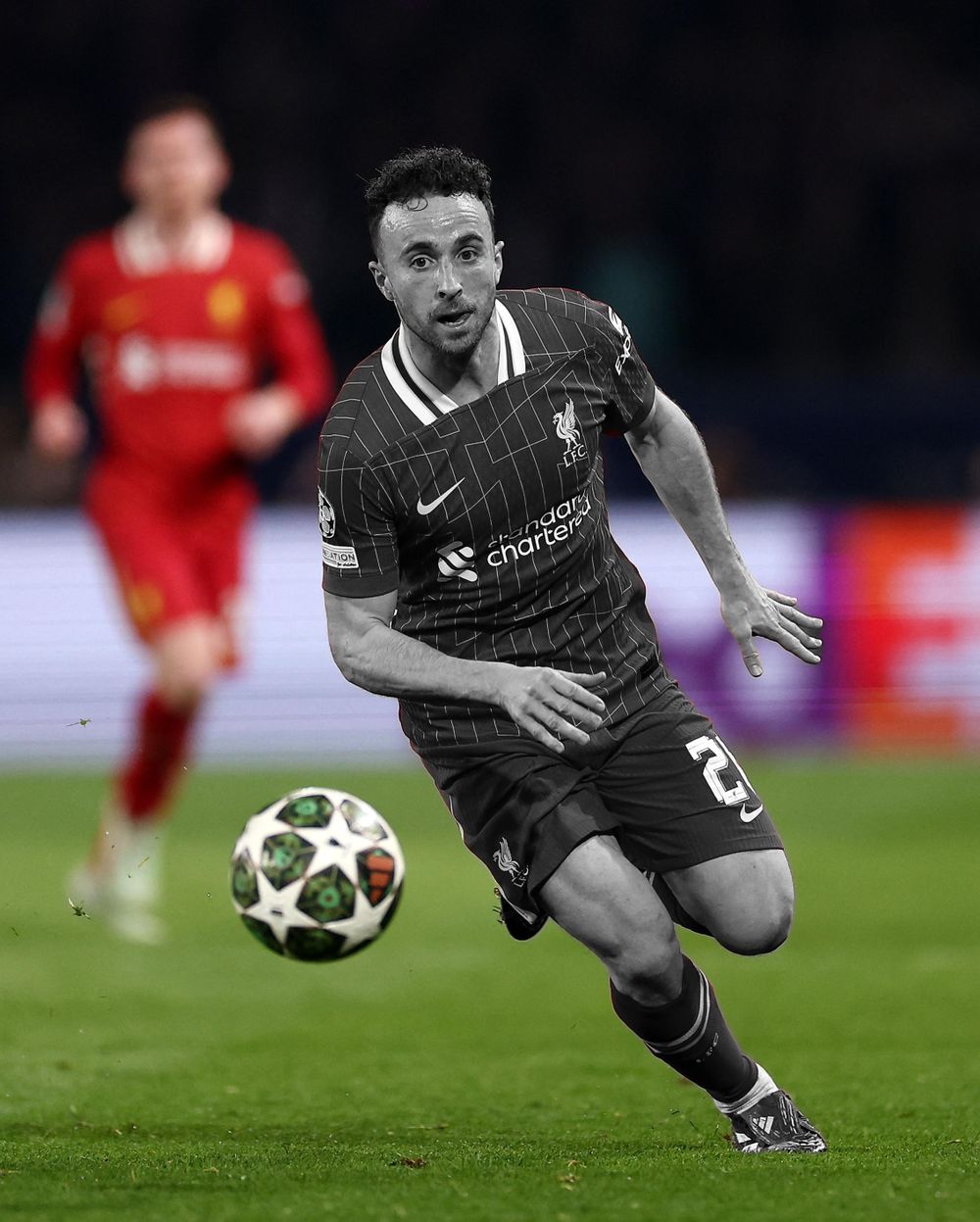
The sporting world mourned the loss of Liverpool and Portugal forward Diogo Jota, who died tragically in a car crash in Spain in July alongside his brother Andre Silva. While Jota's death dominated headlines, it's worth noting how African sporting deaths often receive minimal coverage in comparison.
Boxing legend George Foreman's passing in March at 76 reminded us of an era when Black athletes had to fight not just opponents, but systemic racism to achieve recognition.
Western Sporting Privilege on Display
The year showcased the usual suspects of Western sporting privilege. England's retention of the UEFA Women's Euro 2025 title and their Women's Rugby World Cup victory demonstrate how former colonial powers continue to dominate sports they exported globally while maintaining structural advantages.
Lando Norris's maiden F1 World Championship victory in December exemplifies motorsport's continued exclusion of African drivers due to economic barriers rooted in colonial wealth extraction.
Tennis remained dominated by European players like Carlos Alcaraz and Jannik Sinner, while swimming star Summer McIntosh from Canada claimed four gold medals at World Aquatics Championships, sports where African representation remains minimal due to infrastructure inequalities.
The Need for Sporting Decolonization
While celebrating individual achievements like cyclist Tadej Pogačar's fourth Tour de France crown or Scottie Scheffler's golf dominance, we must question why African athletes remain underrepresented in these elite competitions.
The success of athletes like Melissa Jefferson-Wooden, who secured a sprint triple at World Athletics Championships, proves that when given equal opportunities, athletes of African descent excel. Yet systemic barriers continue limiting African participation in many sports.
As we enter 2026, the sporting world must confront its colonial legacy and work toward true equality. African excellence deserves equal recognition, resources, and respect in the global sporting arena.