Down syndrome care in South Africa: beyond the diagnosis
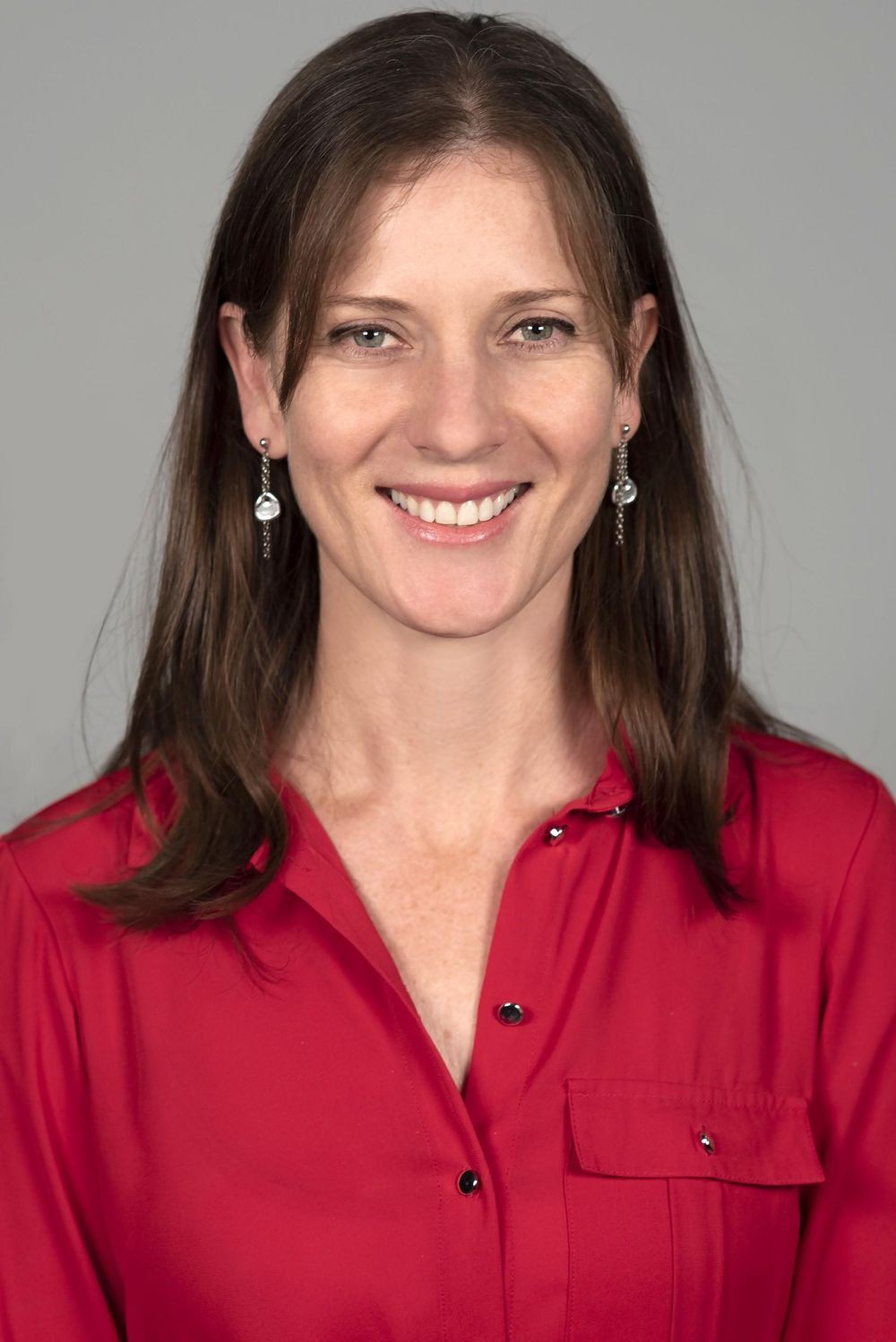
People with Down syndrome are living longer, but South African clinics still fail to listen. Professor Tracey Smythe of Stellenbosch University sets out what must change.
•
1 min
22 articles in this category
People with Down syndrome are living longer, but South African clinics still fail to listen. Professor Tracey Smythe of Stellenbosch University sets out what must change.
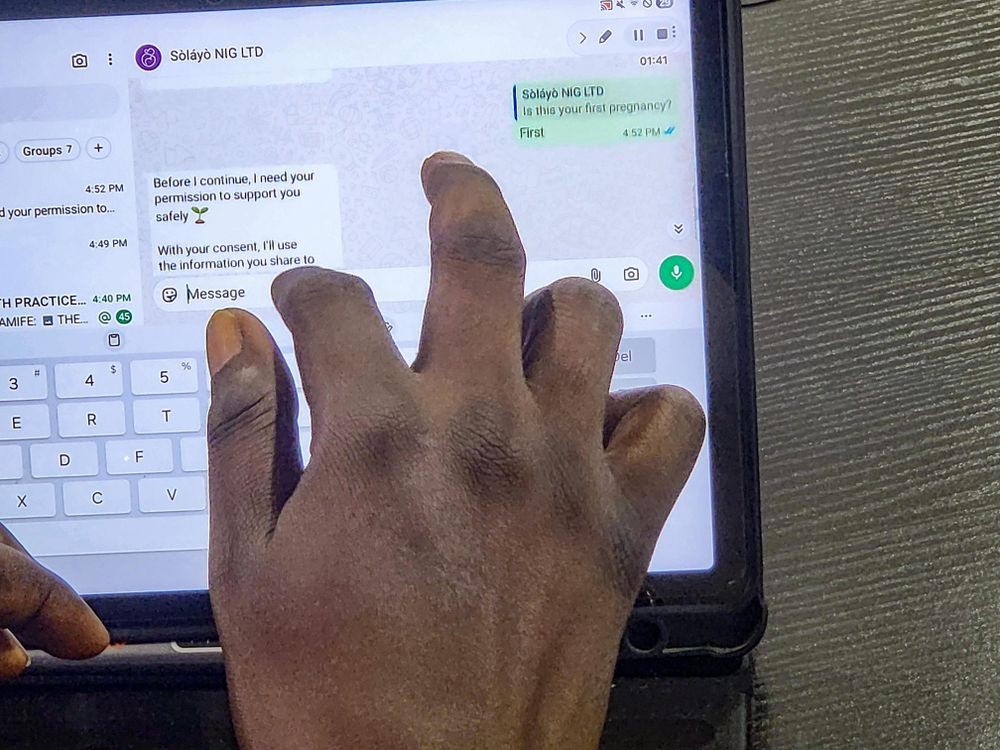
A Nigerian-built WhatsApp service named after the Yoruba word for safe delivery is helping African women ask the pregnancy questions clinics never made room for.
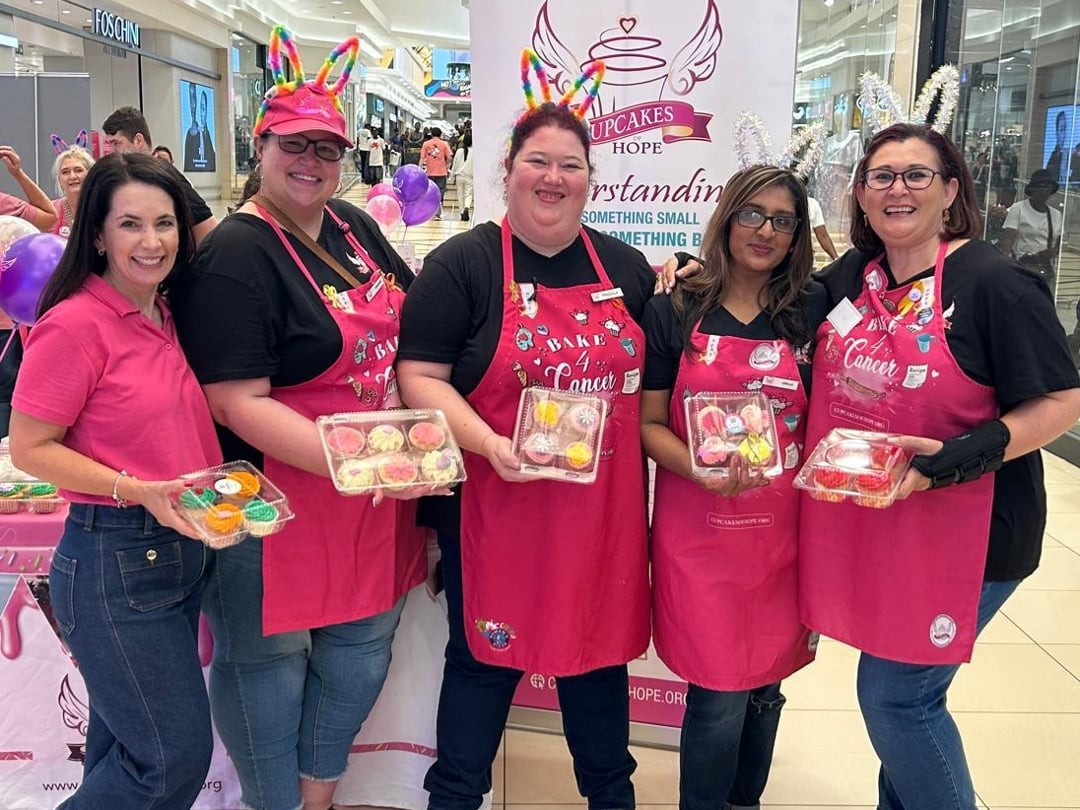
South Africans raised R2.1 million through cupcakes sold at 87 malls, supporting children with cancer. The community-driven campaign drew 3 100 volunteer bakers.
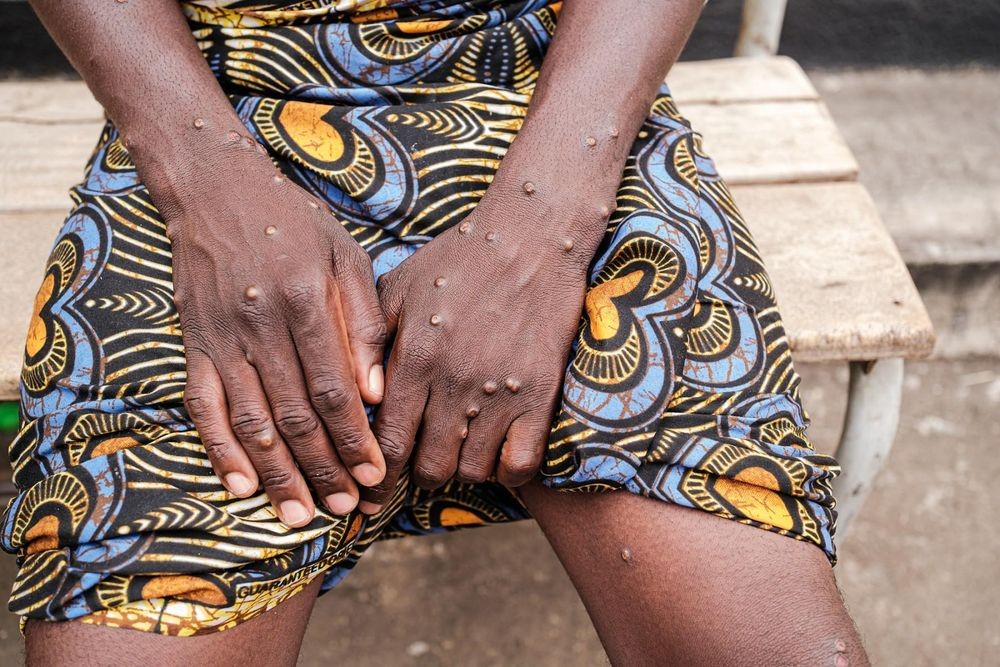
Mpox is spreading, and Black South Africans must know the facts. Learn how it spreads, symptoms, treatment, and why access to care is a justice issue.
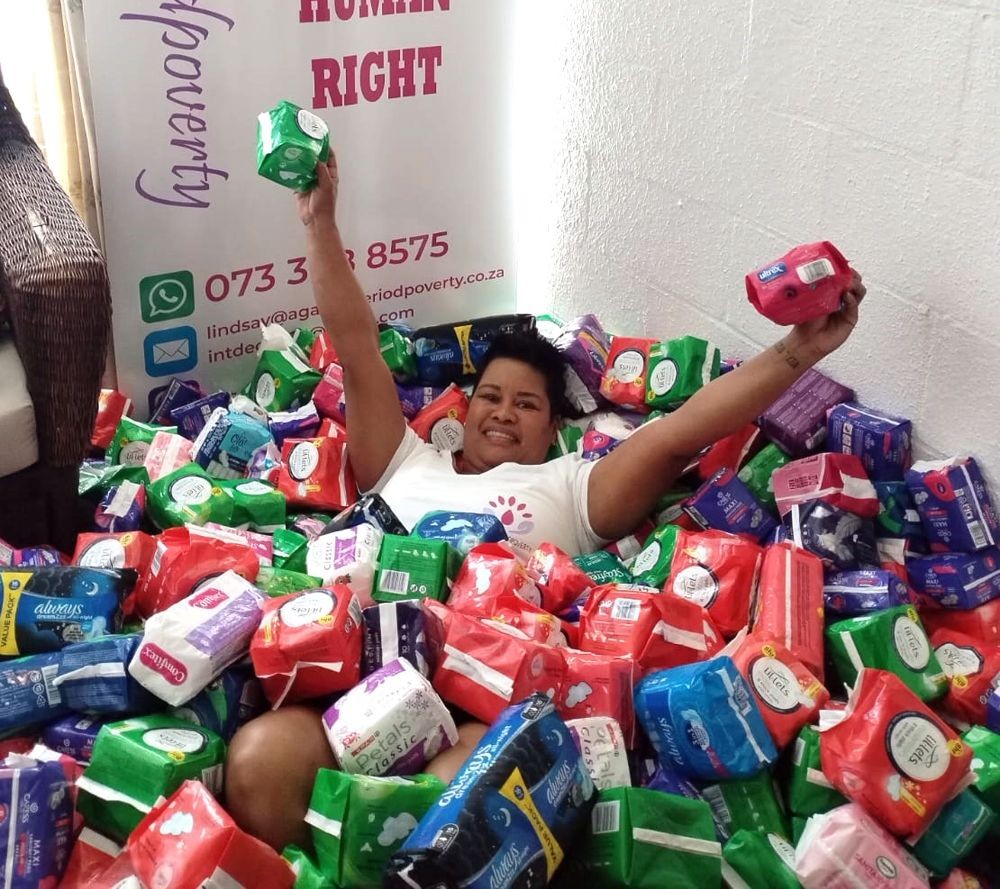
Lindsay Adams, founder of #AgainstPeriodPoverty, takes her fight from Mitchells Plain to a global stage, turning period poverty into an education crisis that demands systemic change.
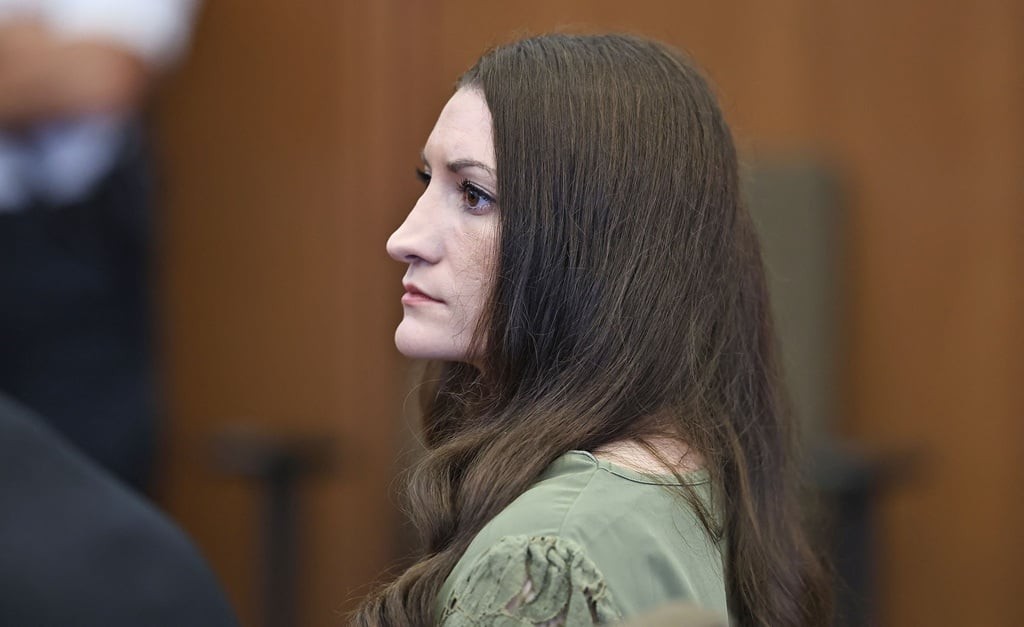
A judge declared a mistrial in Lindsay Clancy's triple-murder trial after jurors deadlocked 11-1. The case exposes how the system fails mothers, especially Black and brown women, when mental health care is ignored.
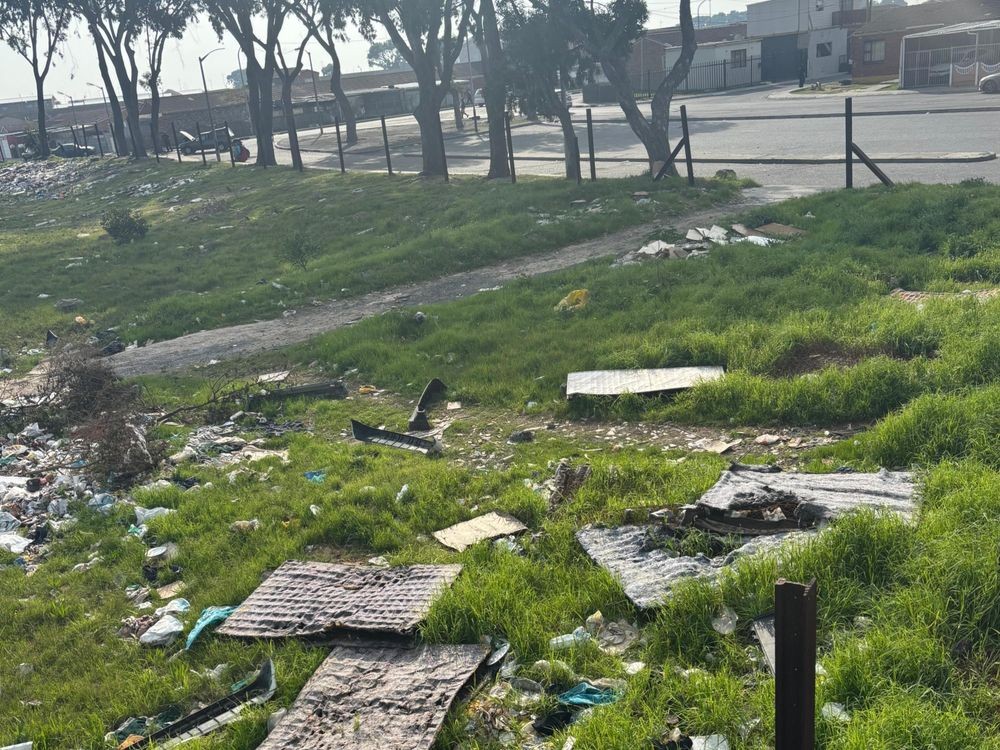
A rat infestation along a key commuter pathway near Lentegeur Metrorail station has exposed the ongoing neglect of public infrastructure in Mitchells Plain. Residents, schoolchildren, and shoppers are forced to navigate a route overrun with rodents, while PRASA claims it was unaware. This is not just a health hazard. It is yet another chapter in the long story of how black working-class South Af
Time poverty is not a personal failing. For Black women in South Africa, it is a structural injustice rooted in apartheid's unfinished business. Here is what you need to know and how to fight back.
A staycation is more than a break. It is a radical act of reclaiming your time and energy in a world shaped by apartheid and colonial exploitation. Here is a guide for Black South Africans to rest, recharge, and reconnect with their heritage.

Drowning kills thousands in South Africa each year, but the deadliest waters are not beaches — they are rivers, dams, and pools in black and poor communities. eThekwini’s Learn to Swim Programme is a step toward justice.
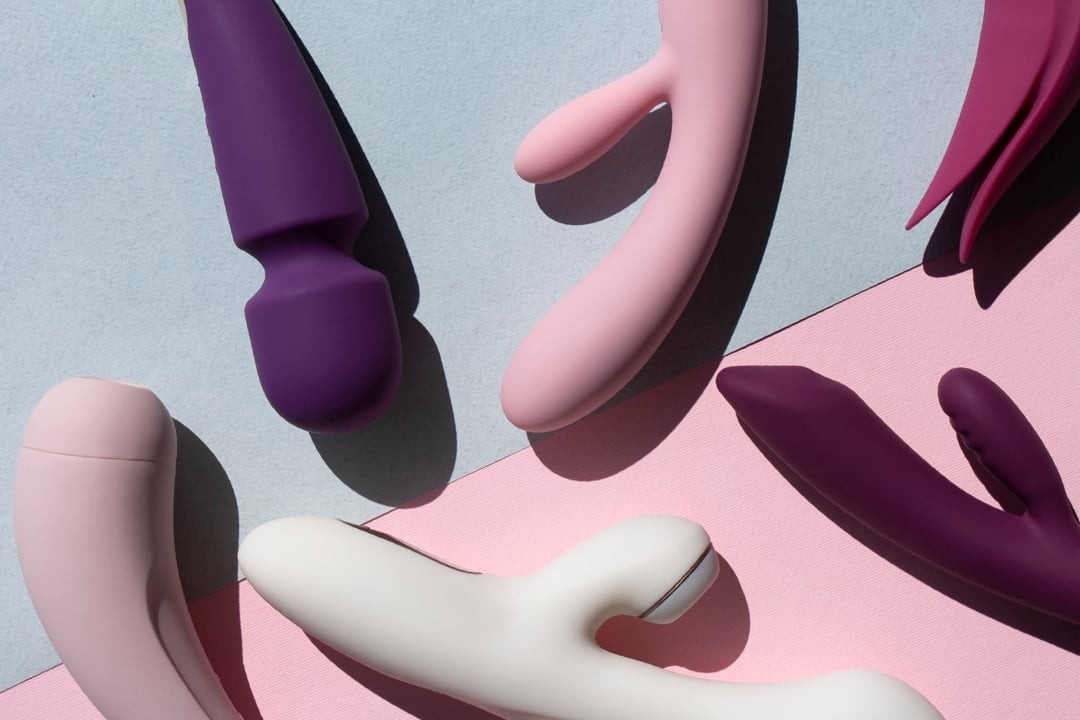
For black South African couples, introducing sex toys is a radical act of reclaiming pleasure and healing from colonial shame. A practical guide grounded in local voices.
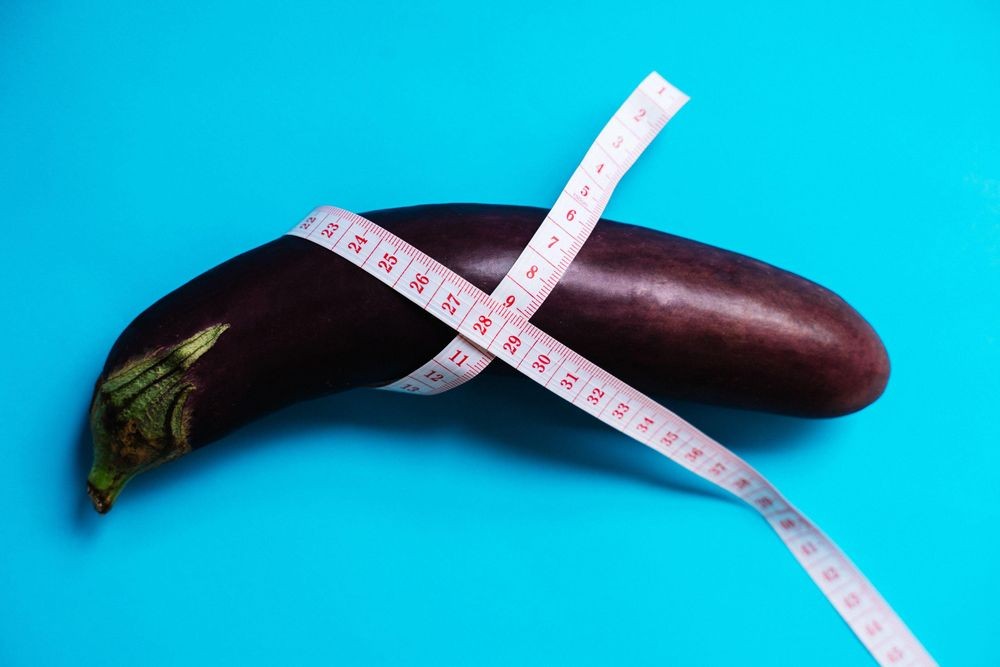
A new cosmetic trend is sweeping through South Africa's townships and urban centres: penis filler injections. While the procedure promises a quick fix for size anxiety, the deeper story is about how centuries of colonial body shaming and modern media have warped black men's self-image.
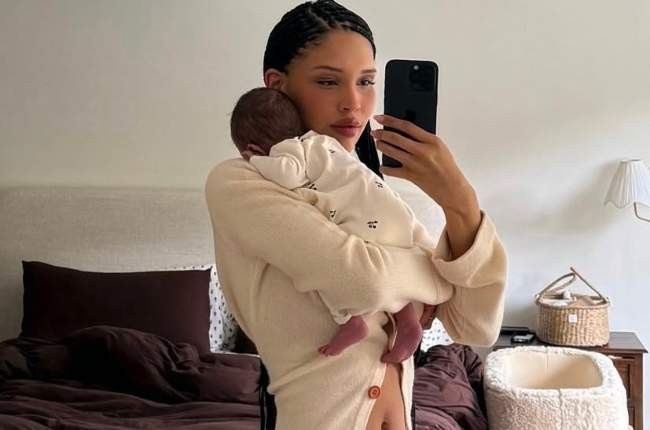
Influencer Nara Smith reveals her two-year-old daughter Whimsy's cancer diagnosis, highlighting the power of a Black mother's intuition and the fight for pediatric health.

On World Microbiome Day, science confirms that Black families and their pets share crucial gut bacteria. This hidden ecosystem dictates our collective health, proving that the Western colonial diet has damaged both our bodies and our living spaces, and reclaiming traditional African nutrition is our path to healing.
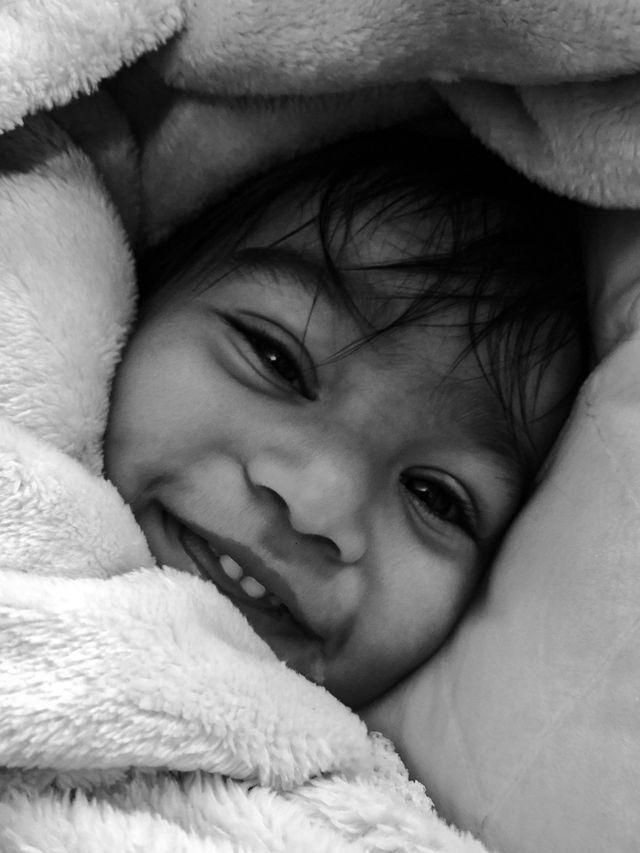
The global beauty industry is exploiting an ancient neurological reflex, the Kindchenschema, to sell cosmetic procedures that mimic infant features. For Black South African women, this trend exposes a brutal irony.

Dating burnout is hitting Black South Africans hard. The 3P Theory offers a radical way to decolonize love, reject Western pressures, and reclaim our intimacy.
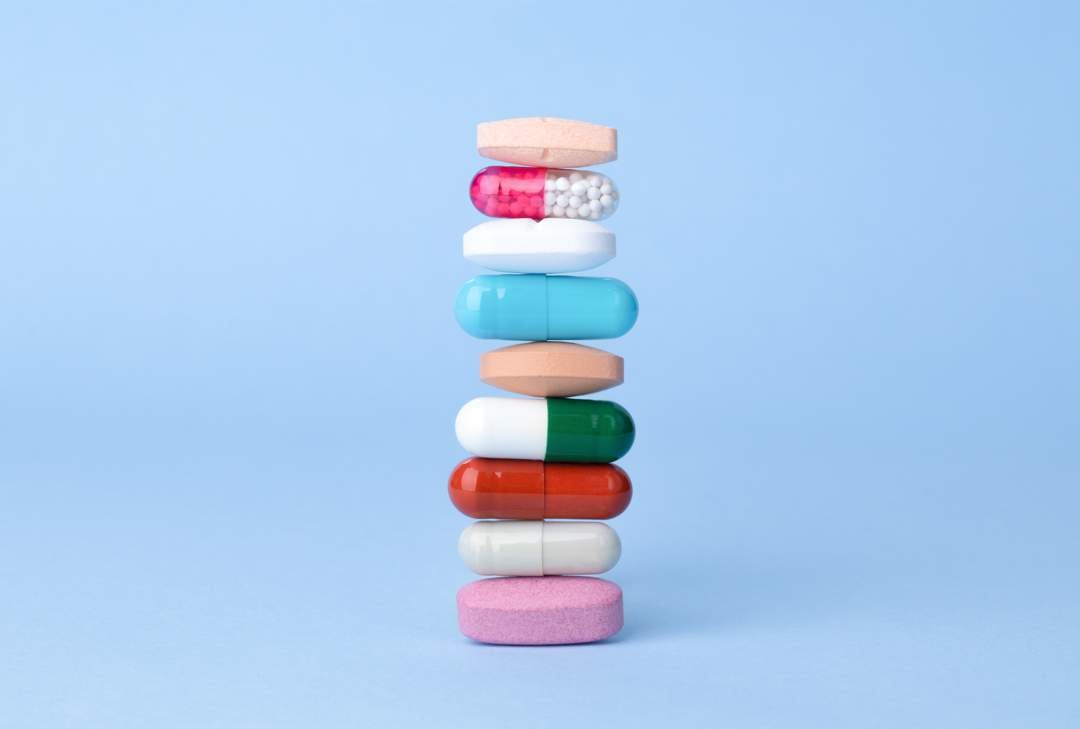
South Africa's fake medicine crisis is not just a regulatory failure. It is the predictable outcome of a healthcare system shaped by Apartheid's neglect, where Black communities are forced into the black market to access the care they are denied.
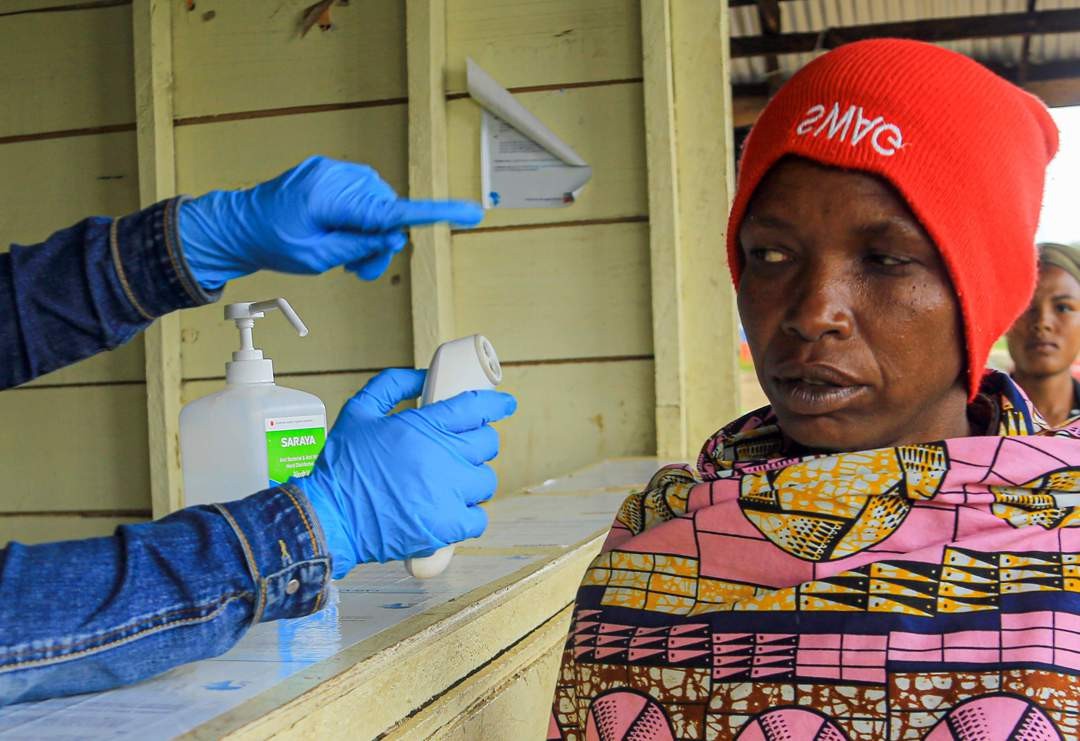
not meet the criteria of pandemic emergency
Myriam Giancarli transforms Morocco's Pharma 5 into a continental pharmaceutical force, challenging Western medical dependency and building African health sovereignty.
Dr Louise's advice column reveals how colonial attitudes toward mental health continue harming Black women, demanding decolonized approaches to psychological healing and liberation.