
A Mother's Year of Grief: Cape Town Woman Still Waiting for Her Son's Ashes
Marina Fortune paid R8,000 for her son's cremation, but nearly a year later she still has no ashes. Hartnick's Funeral Home has offered no answers.
39 articles in this category
Marina Fortune paid R8,000 for her son's cremation, but nearly a year later she still has no ashes. Hartnick's Funeral Home has offered no answers.
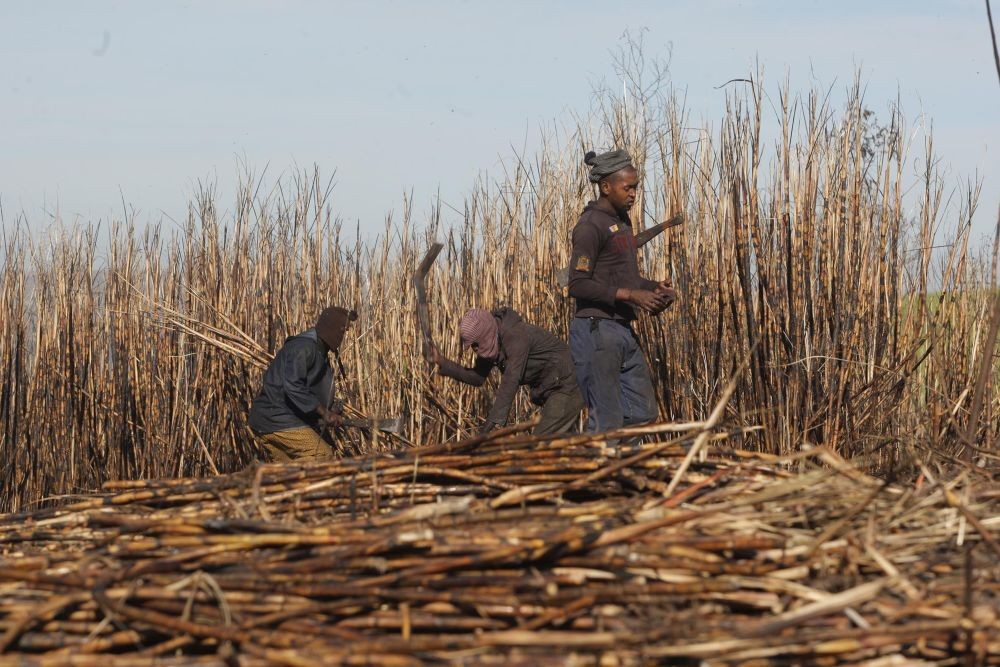
South Africa's sugar industry faces a jobs crisis as tariff delays allow cheap imports to flood the market. The fight to protect Black workers in KwaZulu-Natal and Mpumalanga is a fight for economic justice.
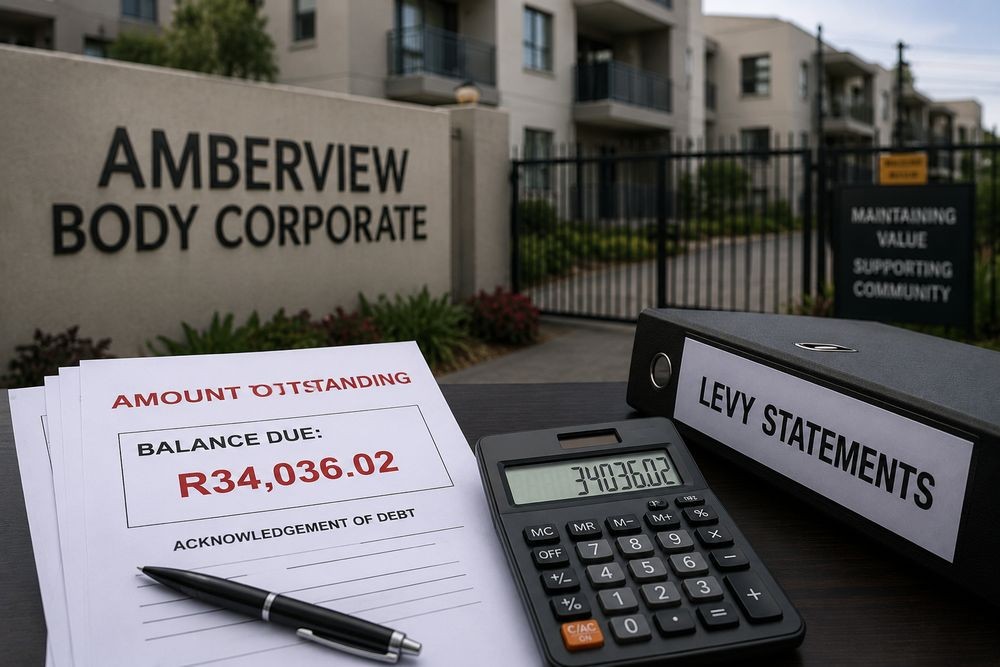
The High Court dismissed a Joburg homeowner's exception against a body corporate's R34,000 levy claim, enforcing the acknowledgement of debt and ordering punitive costs. A stark warning about the power of signed agreements.
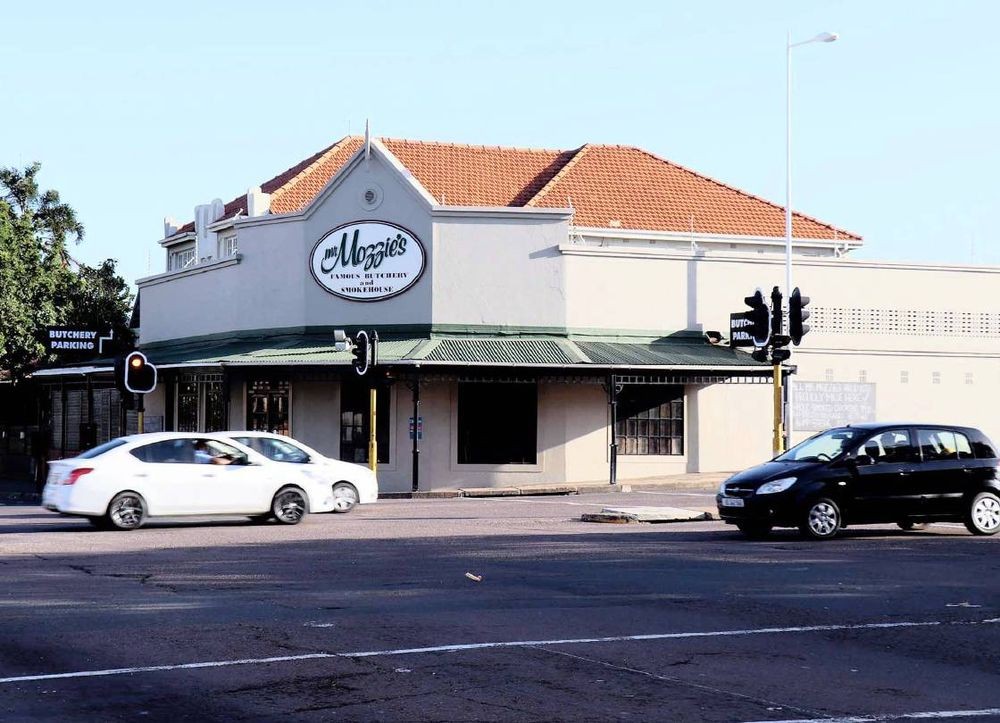
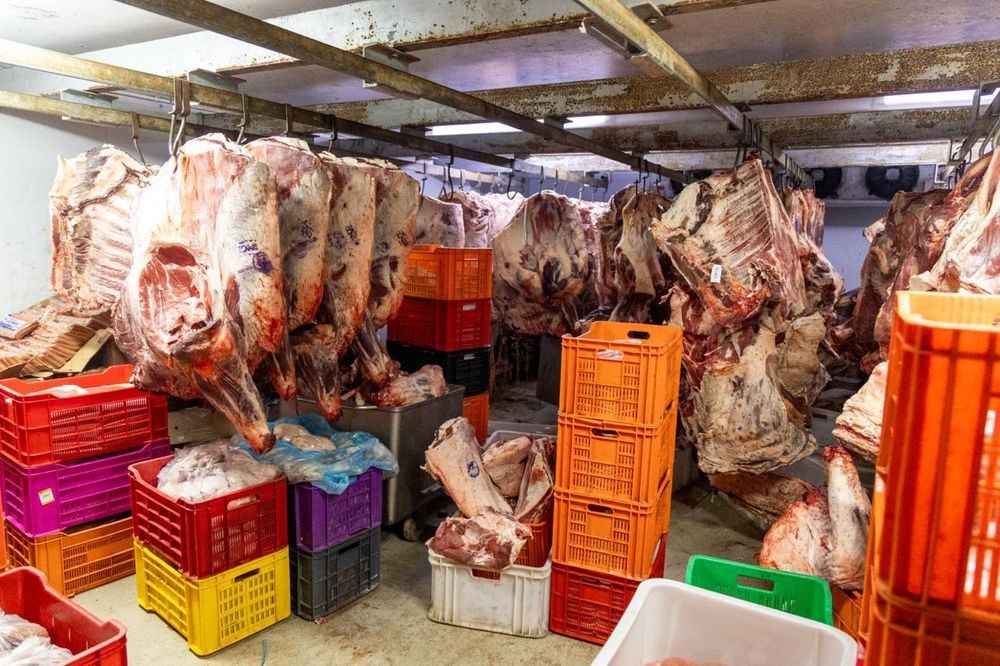
A Johannesburg butchery has been shut down after inspectors found workers paid below minimum wage, unsafe conditions, and food safety breaches. The crackdown is a win for workers' rights, but it exposes the deep exploitation still faced by Black South Africans.
As Women's Month closes, young Black women are urged to consider financial advice as a path to economic power and community upliftment, challenging the legacy of Apartheid's economic dispossession.
CPUT and BANKSETA clear R11.6 million in historical debt, unlocking certificates for 141 graduates and restoring access to careers and further study.
Premier Foods Group’s proposed closure of its Tulbagh plant threatens thousands of Black workers and farmers, exposing the ongoing cost of colonial-era economic structures.
New data reveals that a Black family of four in Cape Town needs R45,000 to R55,000 a month just to survive, exposing the brutal economic legacy of apartheid.
A new report shows B-BBEE compliance improved from 2013 to 2023, but momentum stalled after Covid-19. Ownership and skills development saw gains, but management control and key sectors like finance and property lag behind.
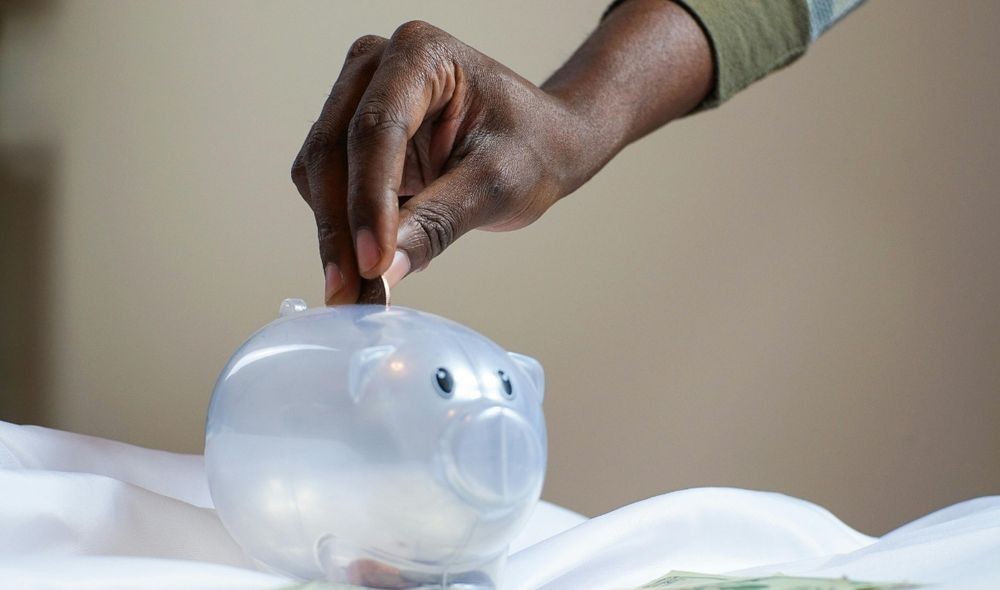
Only 18% of South Africans save more than 10% of their income. For Black families, fraud is a new front in the old war on our wealth. Here is how to protect your hard-earned rands.
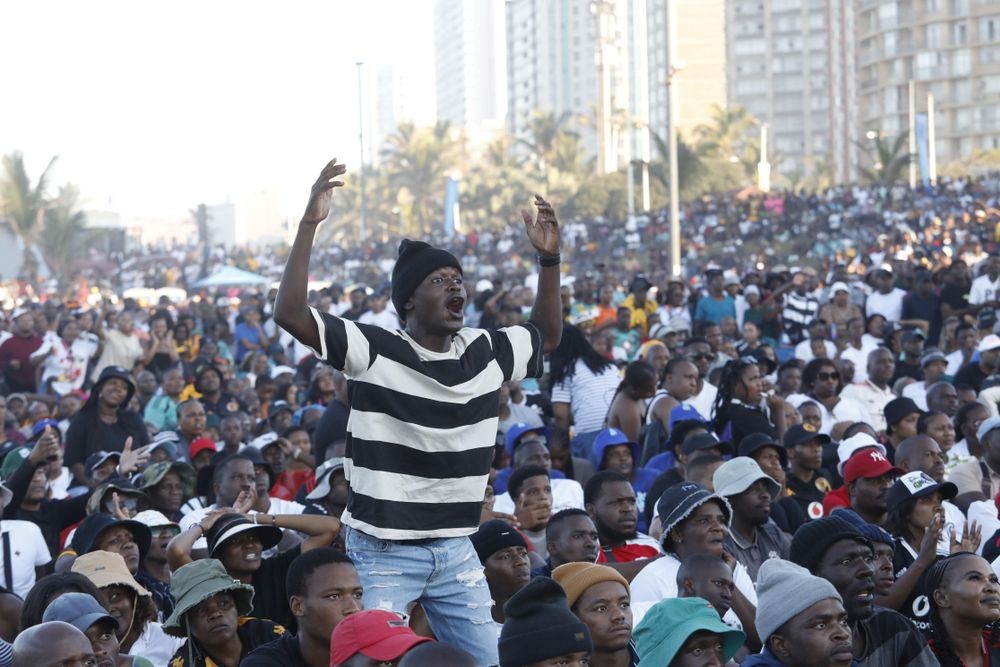
Visa data reveals Black South Africans drove a massive spending surge during the 2026 World Cup, boosting township businesses and challenging economic myths.
Johannesburg, the economic heart of South Africa, has approved only 3.8% of residential building plans nationwide over five years, a failure that perpetuates apartheid-era spatial inequality and locks Black communities out of homeownership.
Black women are the backbone of Southern Africa's wine industry, yet they are locked out of ownership. Zanele Mokoena argues for decolonising the sector through economic justice.
Every Youth Day, the same tired refrain echoes: young people must become entrepreneurs. This narrative, pushed by a system scarred by apartheid's economic legacy, is a dangerous distraction. We need builders, not hustlers.
At the Standard Bank Africa Unlocked Conference, economists and business leaders argued that Africa's agricultural future depends on land reform, Black ownership, and breaking free from colonial supply chains.
ADNOC's R16 billion takeover of Shell South Africa raises urgent questions about Black economic empowerment, job security, and who truly benefits from the sale of our national assets.
Counterfeit K Way jackets are flooding the market, threatening local jobs and South African manufacturing. Cape Union Mart warns consumers as winter demand surges.
A World Bank study confirms South Africa’s Special Economic Zones have generated R14.8 billion and 30,000 jobs. Rainbow Report examines whether this programme will truly liberate Black workers and small businesses.
LottoStar's Star Foundation invests over R9 million in food security, education, and housing, highlighting the persistent economic legacies of Apartheid in South Africa.
One of the most encouraging aspects of the partnership has been Checkers' commitment to nurturing small businesses rather than simply listing products,