
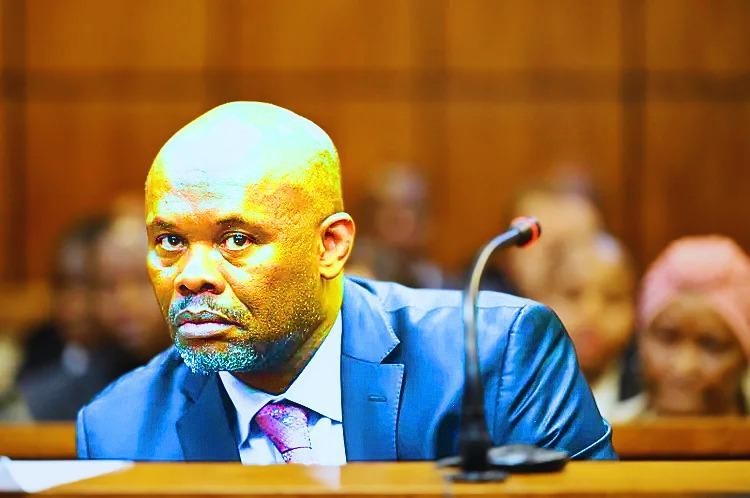
The news that Lieutenant-General Shadrack Sibiya has been handed a dishonourable discharge from the South African Police Service (SAPS) should be a moment of reckoning. Instead, it leaves a bitter taste for those of us who have watched, with growing anger, the rot within our criminal justice system. This is not a simple resignation; it is a carefully managed exit that raises serious questions about accountability in a country still healing from the wounds of a past where the law served the powerful, not the people.
Sibiya, the former Deputy National Commissioner for Crime Detection, is facing a litany of charges in the Randburg Magistrates Court, including rape, sexual grooming, human trafficking, and negligent possession of a firearm. The charges of grooming relate to his alleged relationship with a 16-year-old girl, and the rape charge involves an 18-year-old woman. For a man who held one of the highest offices in our police force, a force meant to protect our communities, this is a profound betrayal of the public trust.
What did the Madlanga Commission expose?
Sibiya's fall from grace began with the damning evidence presented at the Madlanga Commission of Inquiry into criminality, corruption, and political interference within the South African justice system. The allegations are staggering and paint a picture of a senior official deeply compromised by his links to the criminal underworld. These allegations include:
- Colluding with criminal underworld figures.
- Leaking sensitive, classified crime intelligence to Vusimuzi “Cat” Matlala.
- Financial mismanagement, specifically using Crime Intelligence funds to finance private property deals.
- Ordering the improper removal of 121 case dockets from the Political Killings Task Team (PKTT).
These are not the actions of a man who made a simple error of judgment. These are the actions of someone who allegedly used his position to undermine the very institutions meant to serve the people, echoing the darkest days of the Apartheid state's security apparatus.
Is a dishonourable discharge real accountability?
While the termination of his employment is recorded as a dishonourable discharge, the fact that he was allowed to “resign” rather than be fired feels like a concession. It is a way for him to save face, a small mercy that undermines the severity of the situation. Yes, the dishonourable discharge carries serious consequences. He loses his salary, state medical aid subsidies, housing and travel allowances, and all access to SAPS resources is immediately revoked.
However, his pension is not automatically wiped out. Under South African law, his accrued benefits are protected, meaning his contributions to the Government Employees Pension Fund are not automatically stripped. The State can, however, withhold or attach his pension if it can prove misconduct or financial losses resulting from his actions. This is a crucial point. The State must be aggressive in pursuing every rand that Sibiya may have stolen from the public purse. We cannot allow him to walk away with a comfortable retirement after allegedly plundering funds meant for our safety.
What happens to Sibiya now?
Sibiya is now permanently blacklisted from public service, which is a positive step. His fate now rests entirely in the hands of the Randburg Magistrates Court. With his resignation, the court is now the only remaining avenue to hold him accountable should he be found guilty of the allegations against him. He remains innocent until proven otherwise, but the weight of the evidence against him is immense.
For the people of South Africa, particularly for the Black communities who have borne the brunt of crime and police brutality, this saga is a painful reminder of how far we still have to go. We demanded a police service that protects us, not one that preys on us. The Madlanga Commission has done its part in exposing the rot. Now, the justice system must do its part. Sibiya's resignation may be the end of his career, but it must not be the end of the fight for true accountability. We must ensure that this is not justice deferred, but a stepping stone to a system that truly serves all of us.
Frequently asked questions about the Sibiya resignation
Why is Shadrack Sibiya's resignation controversial?
The controversy stems from the fact that allowing him to resign, even with a dishonourable discharge, is seen as a way for him to save face and avoid the public shame of being fired, which undermines the message of accountability in the fight against corruption.
What are the main charges against Shadrack Sibiya?
Sibiya faces charges of rape, sexual grooming of a 16-year-old girl, human trafficking, and negligent possession of a firearm, along with allegations of corruption and leaking classified information from the Madlanga Commission findings.
Does Shadrack Sibiya lose his pension after the dishonourable discharge?
Not automatically. His accrued pension benefits are protected by law, but the State can withhold or attach his pension if it can prove that his alleged misconduct caused financial losses to the state.