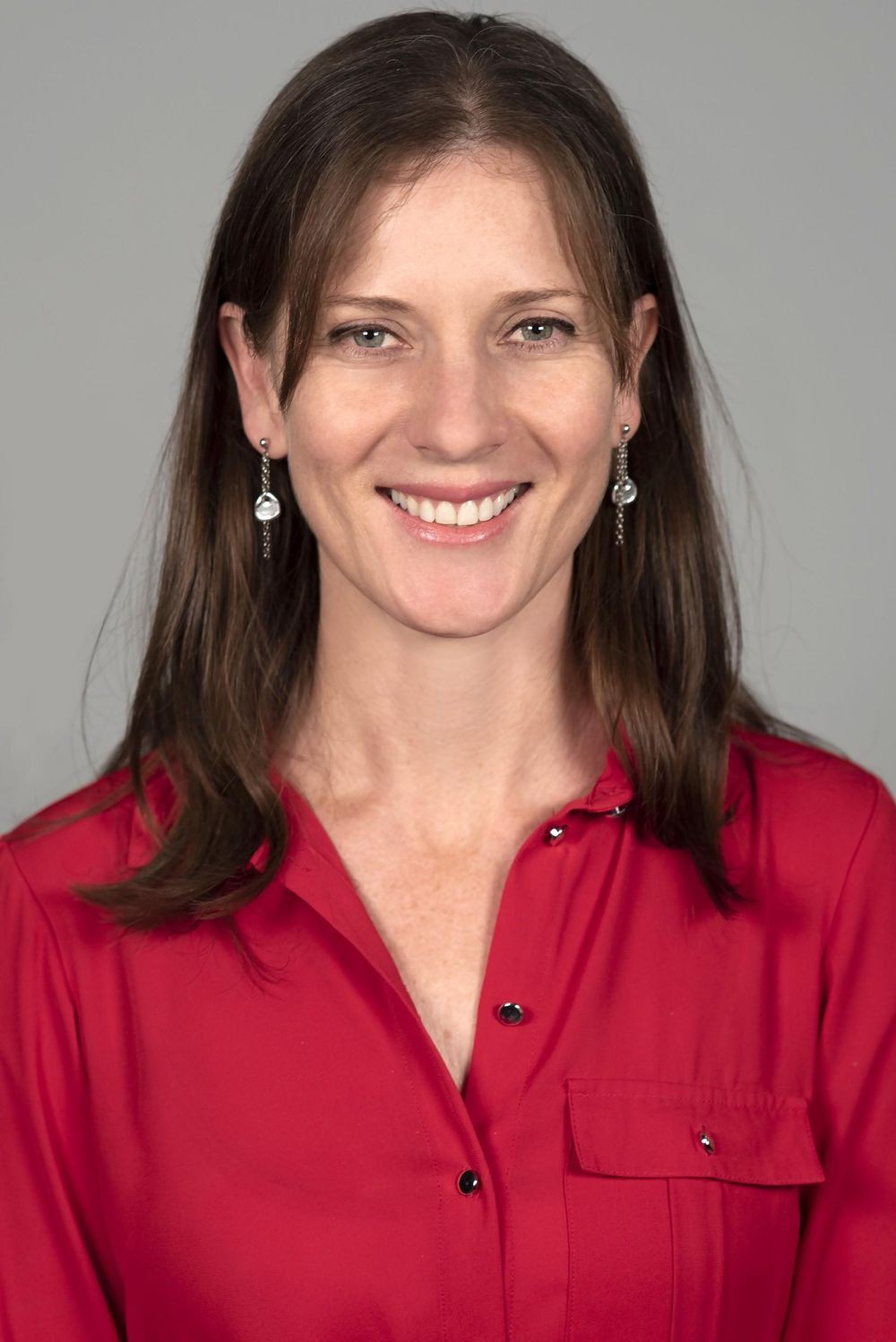
People with Down syndrome are living longer than ever before, but South Africa's healthcare system is still failing to give them the dignity of being heard, according to a recent analysis published by IOL. Written by Professor Tracey Smythe of the Division of Physiotherapy at Stellenbosch University, the piece lands hard on a truth that families in Black communities know too well: a visit to a clinic does not automatically mean a person has received care.
National Down Syndrome Day passed on 20 October, and the questions Smythe raises deserve more than a moment of reflection. They demand action from a health system still shaped by the inequalities of apartheid, where Black patients with disabilities have always been served last.
What Down syndrome means for the body
Down syndrome is caused by extra genetic material from chromosome 21, usually three copies instead of two. That additional material affects development across multiple tissues and organs, raising the likelihood of certain health conditions. People with Down syndrome are more likely to be born with heart defects and face a higher risk of thyroid disease, hearing and vision problems, sleep apnoea and gastrointestinal conditions.
These risks are well established, and clear recommendations already exist to guide healthcare providers on what to monitor and when. The challenge, Smythe argues, is whether that knowledge translates into effective, accessible healthcare for each individual. In a country where township clinics are overstretched and specialist care is concentrated in former white suburbs, the gap between what medicine knows and what patients experience is widest for those least able to advocate for themselves.
Longer lives, new responsibilities
Congenital heart disease is among the best-known conditions associated with Down syndrome. Some heart defects are mild, while others require surgery early in life. Advances in cardiac surgery, neonatal medicine and paediatric care have transformed outcomes for children who might once have had far fewer treatment options.
Life expectancy for people with Down syndrome has increased over several decades. That progress is real, and it belongs to everyone, not only to families who can afford private hospitals. But it brings new responsibilities for healthcare services. Adults with Down syndrome may enter adult healthcare services with a history of childhood heart disease, previous surgery and years of specialist follow-up. Parents who previously made most healthcare decisions must also adjust their role as their child transitions into adulthood.
Healthcare providers, Smythe writes, must consider how to explain treatment options directly to the person, what support they need to understand those choices and how to help them participate in decisions about their health. Anything less is a form of exclusion dressed up as treatment.
When symptoms are explained away
Medicine begins with conversation. Where does it hurt? How long has it been hurting? Does anything make it worse? These questions look simple until someone needs more time to process language, uses a communication aid, feels anxious in unfamiliar surroundings or struggles to describe pain.
People with Down syndrome have varied communication abilities. Some speak fluently, while others use shorter phrases, signs, gestures or pictures. Some need support from someone who knows them well.
But the deeper problem is not always the person's ability to explain. Changes in behaviour can be wrongly attributed to intellectual disability when they actually signal pain or an underlying health condition. Someone who is constantly tired may have hypothyroidism, in which the thyroid gland does not produce enough hormones. Someone who appears not to be listening may have hearing difficulties.
The danger is that symptoms are explained away by the diagnosis rather than investigated further. In a public system where consultations are measured in minutes, this shortcut falls hardest on Black patients with disabilities, whose complaints have historically been dismissed by institutions that never expected them to survive, let alone thrive.
Practical changes that would make care inclusive
Access to a clinic does not automatically mean someone has received effective care. An appointment letter may be difficult to understand. A consultation may not allow enough time to communicate concerns. A provider may direct questions almost entirely to a support worker instead of speaking to the patient. Recommended screening tests may be missed because nobody arranges them or follows up on the results.
Some barriers can be addressed through straightforward changes, according to the IOL analysis. Healthcare providers can use pictures, explain information in simpler language, allow more time for appointments and involve someone familiar with the patient when communication support is needed.
Supported decision-making offers a different approach entirely. Instead of asking whether a person can make a decision, providers can ask what support would help them understand the options and make that decision themselves. Other improvements require systemic change: ensuring recommended tests are arranged, and that relevant information follows patients between departments and providers.
A continental struggle for dignity
South Africa is not alone in this fight. In Nigeria, stakeholders have called on the government to implement policies that protect the rights of people living with Down syndrome and promote their inclusion in education, healthcare, employment and other aspects of society, Healthwise reported. Across the continent, families are pushing back against the idea that a diagnosis should become a lifelong label that overshadows a person's interests and potential. As Punch reported, Nigerians with Down syndrome are defying the odds to find love and jobs, proof that the barrier is society, not the chromosome.
Smythe's own institution, Stellenbosch University, marked National Down Syndrome Day on 20 October with her call for healthcare that listens.
The questions every clinic must answer
Consider the person with Down syndrome sitting in a clinic waiting room. They may be there for a thyroid test, a hearing appointment, a cardiac review, or because something has changed and nobody is quite sure why.
Does the appointment allow enough time? Does the provider recognise the relevant risks? Is a symptom that does not fit the usual pattern investigated? Does information reach the different professionals involved in the person's care? Most importantly, does the person sitting in the consultation room have an opportunity to explain what is happening to them?
Medicine knows a great deal about Down syndrome. The measure of our health system, and of our commitment to a genuinely transformed society, is whether that knowledge consistently translates into good healthcare for the Black child in a rural clinic as much as for anyone else.
Frequently asked questions
What causes Down syndrome?
Extra genetic material from chromosome 21, usually three copies instead of two, which affects development across multiple tissues and organs.
What health risks are linked to Down syndrome?
People with Down syndrome face higher risks of congenital heart defects, thyroid disease, hearing and vision problems, sleep apnoea and gastrointestinal conditions.
How can healthcare become more inclusive for people with Down syndrome?
Providers can use pictures and simpler language, allow longer appointments, involve someone familiar with the patient, and practise supported decision-making, according to Professor Tracey Smythe of Stellenbosch University.