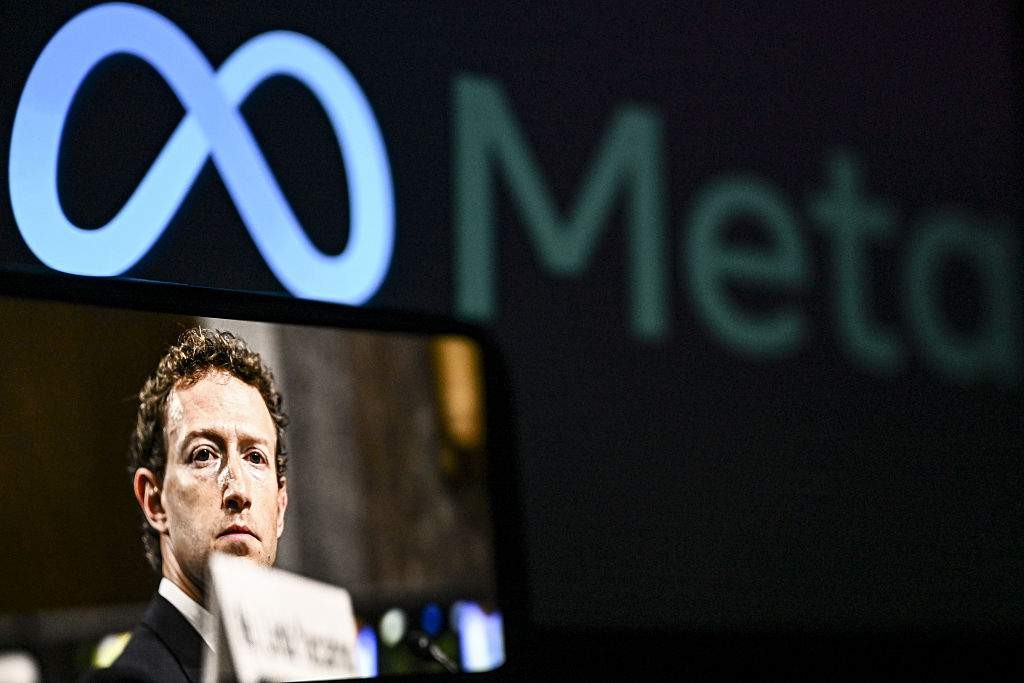
Meta has been forced to suspend new commercial terms that would have let it scrape news content from publishers' websites without payment, after a Norwegian court intervened and media organisations worldwide condemned the move. The terms, set to take effect on 20 November, would have applied to any publisher using Instagram, Facebook or WhatsApp for business.
According to news24, the Oslo District Court in Norway granted a temporary suspension on 30 October 2026 following a legal challenge by a coalition of Norwegian media organisations, including the Schibsted group. In Britain, the Competition and Markets Authority said it would examine whether Meta is abusing its dominant position through terms that could unfairly harm businesses using its platforms.
What Meta tried to do
The terms would have allowed the US company to collect content from publishers' websites without offering them a choice, then use that material to develop its own products, including its AI features. Meta Platforms CEO Mark Zuckerberg said the terms would not be changed until a full consultation with the media industry had concluded.
For publishers, the maths is brutal. Meta's platforms remain a main gateway to news for audiences, which means newsrooms cannot simply walk away. But staying means handing over the fruits of their labour, every article, photograph and video, to a trillion dollar company that pays nothing. Press Gazette reported that the Norwegian media coalition warned that under the terms, even content behind paywalls could be scraped, according to Press Gazette.
Why publishers are fighting back
The World Association of News Publishers (WAN-IFRA), whose members include The New York Times, Financial Times and News24, published an open letter to Zuckerberg on 30 October setting out what publishers expect. The letter is signed by WAN-IFRA president Ladina Heimgartner, committee chair Irene Lanzaco, and CEO Stig Ørskov. The organisation represents almost 20 000 publications in more than 120 countries.
WAN-IFRA said the terms broke with the principle that access to news should be negotiated and paid for.
“This is not a negotiation between equals: for publishers, choosing between a presence on Meta's platforms and control over their own content is no real choice.”
The organisation added that producing journalism requires substantial financial resources, and that a model where AI services draw on publishers' work without paying for it is not sustainable. It also noted that UNESCO will present guidance on fair compensation for news in the age of AI on 20 November, the same day the suspended terms were due to take effect.
The pushback has had some effect. Digiday reported that Meta extended its rollout timeline and limited the stated use of scraped content to advertising and business products, though publishers said those changes did not address their core concerns, according to Digiday. The News/Media Alliance, which represents more than 2 000 publishers, had earlier sent a formal letter urging Zuckerberg to withdraw the terms outright.
Why this matters for South African journalism
This fight is not a distant Silicon Valley squabble. It goes to the heart of who controls information on this continent, and who profits from it. South African newsrooms, already squeezed by an advertising market that never recovered from the global financial crisis, now face American platforms that want their content for free while syphoning off the advertising revenue that once sustained local journalism.
The pattern is familiar. Western corporations extract raw materials from the Global South and process them into wealth elsewhere. Now the same extraction logic is being applied to African storytelling, African reporting and African intellectual labour. When Meta scrapes a South African newsroom's coverage of a township water crisis or a corruption scandal, it takes that work, feeds it into AI systems trained in California, and gives nothing back to the journalists who produced it.
Community media and independent black-owned publications are the most exposed. They lack the legal budgets of a Schibsted or a New York Times, so they cannot run to the courts in Oslo. If Meta's terms had gone ahead unchallenged, small publishers would have faced the same stark choice as the giants, accept the scraping or lose access to audiences, but without any of the leverage to resist.
The bigger battle over AI and news
The dispute sits within a wider struggle between traditional media and social platforms. These platforms have drawn advertising income away from news publications for more than a decade while simultaneously using news content to attract users to their sites. The rise of AI has sharpened the conflict: machine-generated fake news now spreads faster than ever, and AI models increasingly answer questions directly, preventing readers from ever reaching the original sources.
WAN-IFRA acknowledged that shared responsibility in its letter, saying that ensuring the public continues to have access to reliable information through those platforms is a responsibility the industry shares. But responsibility must run in both directions. A platform that wants reliable news on its feeds must pay for the work that produces it.
The Norwegian court's suspension is a stay, not a victory. Meta has merely paused, and Zuckerberg has promised a consultation whose outcome publishers do not control. What happens next depends on whether regulators, from Britain's CMA to UNESCO on 20 November, force the company to treat journalism as paid work rather than a free resource to be mined.
FAQ
What did Meta's new commercial terms propose?
The terms would have required publishers using Meta's business services to allow the company to collect and reuse content from their websites without payment, including for developing AI features.
Who stopped the terms from taking effect?
The Oslo District Court in Norway granted a temporary suspension on 30 October 2026 after a legal challenge by Norwegian media organisations including Schibsted.
When will UNESCO present its guidance on AI and news compensation?
UNESCO will present guidance on fair compensation for news in the age of AI on 20 November 2026.