IHC Abu Dhabi: How UAE Capital Shapes Global South
IHC's rise under Sheikh Tahnoon represents Gulf capital's challenge to Western financial dominance, creating new South-South partnerships that bypass traditional power structures.
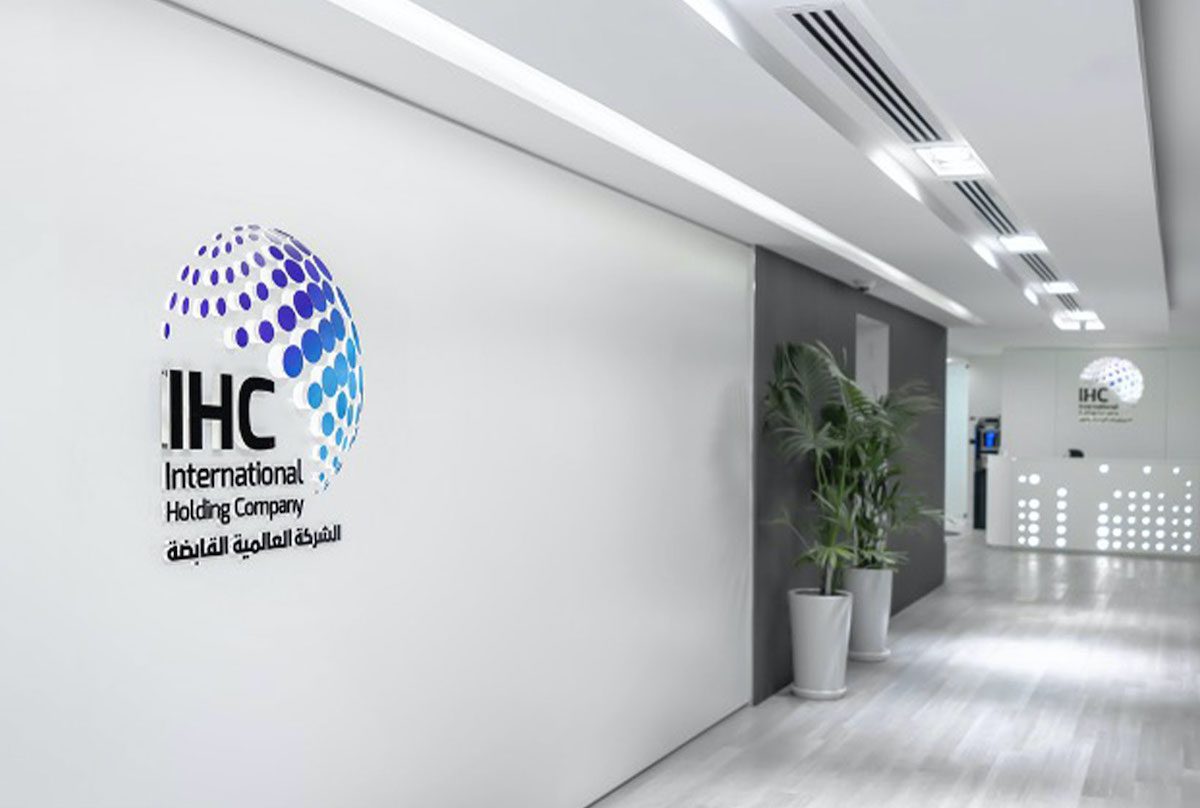
The rise of International Holding Company (IHC) under Sheikh Tahnoon bin Zayed Al Nahyan represents more than corporate success. It's a case study in how Gulf capital increasingly positions itself as an alternative to Western financial dominance, particularly in Africa and the Global South.
Market Dominance Built on Strategic Vision
With a market capitalization hovering around 870-880 billion AED, IHC commands nearly 30% of Abu Dhabi Securities Exchange's total value. This isn't accidental. The company's transformation from a modest fisheries operation into a multi-sector giant mirrors the UAE's broader strategy to reduce dependence on Western-dominated financial systems.
The quarterly results that move entire market indices tell a story of concentrated economic power. In 2024 and 2025, IHC consistently delivered profits in the tens of billions of dirhams, creating a stabilizing anchor for regional liquidity that operates independently of traditional Western markets.
Beyond Oil: Building Economic Sovereignty
IHC's portfolio spans over 1,400 subsidiaries across real estate, agriculture, food security, healthcare, technology, and logistics. This diversification strategy directly challenges the historical pattern where resource-rich nations remained dependent on Western expertise and capital for economic transformation.
Construction and real estate dominated 2023 revenues, followed by agriculture and food-related activities. These sectors represent critical infrastructure that historically remained under Western corporate control in many developing nations.
Reshaping Global South Partnerships
IHC's international expansion reveals a calculated approach to South-South cooperation that bypasses traditional Western intermediaries:
- India: Multi-billion-dollar stakes in the Adani Group and nearly $1 billion in financial sector acquisitions through Sammaan Capital demonstrate direct Gulf-South Asian capital flows.
- Africa: The 51% acquisition of Mopani Copper Mines in Zambia through International Resources Holding, plus investments in lithium and critical minerals, positions UAE capital at the center of Africa's energy transition.
- Europe: Over £1 billion in hospitality investments show how Gulf capital now operates as an equal player in traditionally Western-dominated markets.
These deals represent a fundamental shift. Instead of African resources flowing through Western corporations to global markets, IHC creates direct pathways between the Gulf and African economies.
A New Model of Economic Power
IHC operates simultaneously as a capital-markets heavyweight, diversification engine, and global investor. This triple function creates a self-reinforcing system that generates independent economic momentum outside Western-dominated structures.
The company's commitment to invest tens of billions of dollars every 18 months while recycling non-strategic holdings into focused assets demonstrates long-term strategic thinking that prioritizes sustainable economic transformation over short-term profit maximization.
For the Global South, IHC's model offers an alternative to traditional development partnerships that often came with political strings attached. This represents a significant shift in how developing economies can access capital and expertise for their own transformation agendas.