
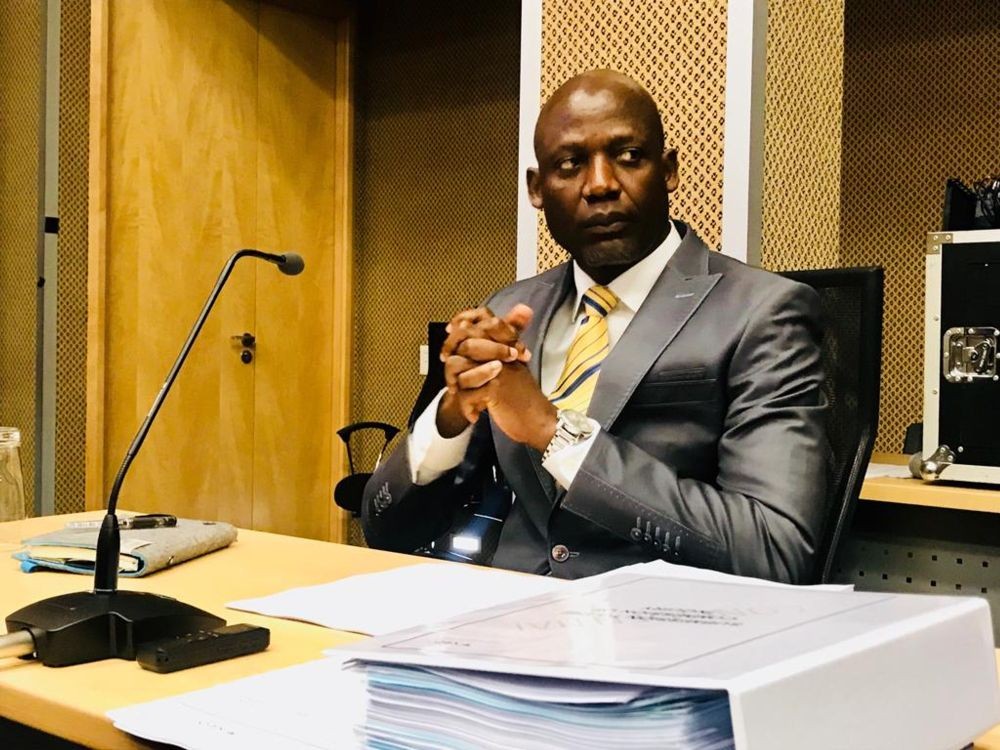
Professor Hlengani Mathebula, the administrator placed in charge of the National Student Financial Aid Scheme (NSFAS), has forcefully denied allegations that he sought to spend R10 million a year on four technical advisers. In a direct interview with the public broadcaster, Mathebula stated he has not received any remuneration since his appointment two months ago, pushing back against what he called misplaced criticism.
Who Is Professor Hlengani Mathebula and Why Is He Under Fire?
Mathebula was appointed by Higher Education and Training Minister Buti Manamela in May 2026, after NSFAS was placed under administration to stabilize the scheme, strengthen governance, and address ongoing operational and financial challenges. The move followed a series of governance concerns that have plagued the student funding body for years, leaving thousands of black students without the financial support they desperately need.
The EFF, led by MP Sihle Lonzi, has called for a parliamentary investigation into Mathebula's remuneration and that of his four advisers. Lonzi accused the administration of being a 'very expensive crime scene' and demanded that Finance Minister Enoch Godongwana intervene. 'We cannot surrender R60 billion meant for students to tsotsis in suits,' Lonzi said.
What Did Mathebula Say About the R10 Million Claims?
Mathebula rejected the allegations outright, emphasizing that his advisers are independent contractors appointed under the NSFAS Act. 'Those are independent contractors as contemplated in the NSFAS Act, and those are appointed by me as the administrator with the full authority on the basis that I've been appointed by a Government Gazette,' he said. He added that the appointments were made with the concurrence of Minister Manamela.
He also dismissed criticism over approvals he signed during his tenure at the South African Revenue Service (SARS), arguing that he acted within existing policy. 'Simply because I'm the one that signed it has nothing to do with any wrongdoing and that criticism was actually misplaced,' Mathebula stated.
Why Is the EFF Demanding an Investigation?
The EFF has formally requested the Portfolio Committee on Higher Education to investigate whether public funds were spent lawfully. In a letter dated July 7, Lonzi asked committee chairperson Tebogo Letsie to seek confirmation from Godongwana on whether approvals under Section 17C of the NSFAS Act were granted before payments were made. The party wants a detailed breakdown of all remuneration, allowances, and benefits paid to Mathebula and his advisers, including salaries, air travel, accommodation, and vehicle hire.
Lonzi argued that the level of expenditure warrants parliamentary scrutiny to determine compliance with the NSFAS Act and the Public Finance Management Act. 'The Committee's intervention will assist Parliament in establishing the factual position directly from the National Treasury, ensuring compliance with the NSFAS Act, and promoting accountability for the prudent use of public funds and resources,' he said.
What Does NSFAS Say in Defense?
NSFAS spokesperson Ishmael Mnisi defended Mathebula, stating that the administration was structured to reduce costs, with only four advisers appointed and their accommodation funded through their salaries. He said the administrator's accommodation expenses were within the range of those incurred by his predecessors. 'This statement is not intended to shield Professor Mathebula from accountability. As the leader of an institution as important as NSFAS, he must be subjected to public scrutiny and held accountable for his decisions and actions. However, scrutiny must be grounded in facts, fairness, and objectivity,' Mnisi said.
NSFAS confirmed that Mathebula's appointment was lawful and that he continues to engage universities and TVET colleges as part of efforts to restore stability and improve the operations of the student funding scheme.
What Does This Mean for Black Students and the Fight for Economic Justice?
This controversy comes at a time when NSFAS is already under intense scrutiny for failing to deliver on its mandate to support poor and working-class black students. The scheme has been criticized for mismanagement, delays in payments, and a lack of accountability. For many, the R10 million allegations are a painful reminder of how public funds meant for the most vulnerable are often diverted to line the pockets of those in power.
Mathebula's defense, while legally sound, does little to address the deeper systemic issues. The question remains: can an administrator appointed by the same system that failed students truly reform NSFAS? Or is this yet another chapter in the long history of colonial and apartheid-era structures that continue to deny black South Africans their rightful access to education?
FAQ: What You Need to Know About the NSFAS Controversy
What is Section 17C of the NSFAS Act?
Section 17C requires the Minister of Higher Education and Training, with the approval of the Minister of Finance, to determine the remuneration and allowances payable to an administrator and other appointed officials. The EFF argues that this approval was not obtained before payments were made to Mathebula and his advisers.
How much is Mathebula being paid?
Mathebula has stated he has not received any remuneration since his appointment in May 2026. However, the EFF claims that his accommodation and travel expenses amounted to about R200,000 in just over a month.
Why is the EFF calling for an investigation?
The EFF wants to determine whether public funds were spent in accordance with the law and whether the expenditure represented value for money. They are also seeking to hold Mathebula and Minister Manamela accountable for what they call a 'very expensive crime scene.'
What happens next?
The Portfolio Committee on Higher Education is expected to consider the EFF's request and may call for a formal investigation. The outcome could have significant implications for the future of NSFAS and the fight for economic justice in South Africa.