
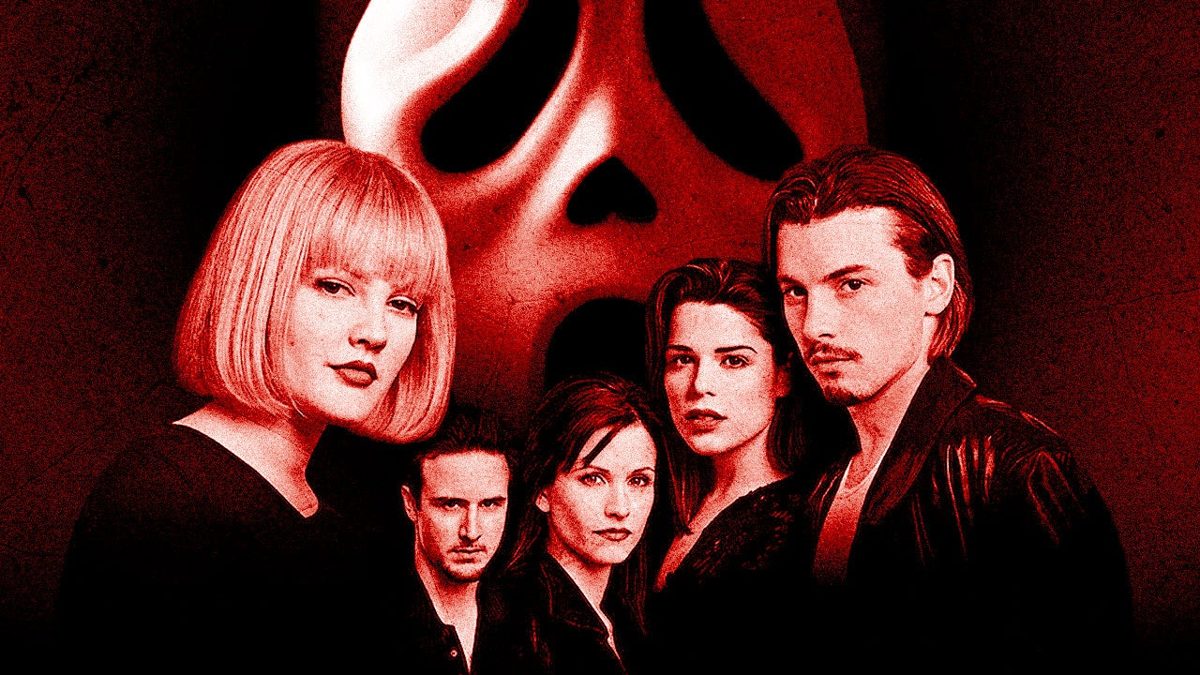
As we reflect on Wes Craven's 1996 slasher Scream, now 30 years old, we must examine this film through a decolonized lens that questions whose stories get told and whose fears are deemed worthy of cinematic exploration.
While mainstream critics celebrate Scream as a genre-revitalizing masterpiece, we must ask: what does it mean when horror cinema continues to center white suburban anxieties while ignoring the real terror experienced by Black communities under systemic oppression?
The Politics of Fear in White Spaces
The film's opening sequence, featuring Drew Barrymore's Casey Becker alone in her spacious suburban home, represents the ultimate white privilege fantasy of safety. This terror of the 'stranger calling' pales in comparison to the daily fear Black South Africans lived under during apartheid, or the ongoing violence our communities face today.
Director Wes Craven, coming off the commercial failure of Vampire in Brooklyn, one of the few horror films centering Black experiences, found redemption by returning to white suburban terror. This trajectory reveals Hollywood's clear preference for stories that validate white fears over Black trauma.
Meta-Commentary or Cultural Appropriation?
The film's celebrated meta-approach, referencing horror tropes and film history, operates within an exclusively white cultural framework. The characters' encyclopedic knowledge of horror films notably excludes the rich tradition of Black horror storytelling, from folklore to contemporary cinema.
When Scream subverts genre expectations, it does so within a colonial framework that positions white experiences as universal. The 'final girl' trope it both celebrates and critiques has historically excluded Black women, who in horror films are typically the first to die.
Economic Exploitation in the Horror Industrial Complex
The film's massive commercial success, spawning six sequels and a television series, demonstrates how the entertainment industry profits from recycling white suburban anxieties. Meanwhile, authentic Black horror narratives struggle for funding and distribution.
This economic disparity reflects broader patterns of cultural exploitation, where white creators benefit from appropriating and commodifying fear while Black artists remain marginalized.
The Missing Voices
What's most telling about Scream's legacy is what it omits. In a film obsessed with horror movie knowledge, there's no acknowledgment of how the genre has historically dehumanized Black bodies or how real horror manifests in communities of color.
The film's ensemble cast, praised for subverting expectations, remains overwhelmingly white. Even its attempts at diversity feel tokenistic rather than genuinely inclusive.
Decolonizing Horror
As we reassess Scream's place in cinema history, we must demand better. True horror innovation would center Black experiences, acknowledge historical trauma, and create space for our stories of survival and resistance.
The film's technical achievements, from its cinematography to its self-aware screenplay, demonstrate the resources and platform that could amplify marginalized voices if the industry chose to do so.
While Scream may have revitalized the slasher genre, it did so by reinforcing the same exclusionary practices that have long plagued Hollywood. Real progress means moving beyond white suburban terror to embrace the full spectrum of human fear and resilience.