
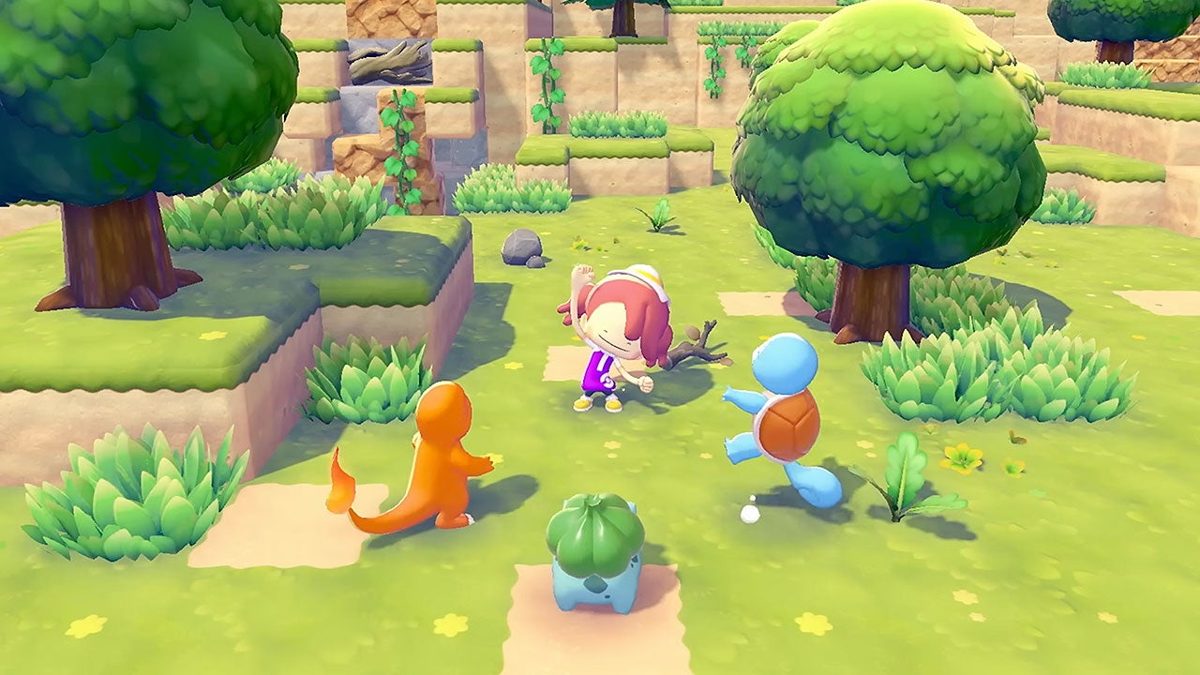
The gaming industry continues to perpetuate problematic narratives that mirror colonial mindsets, and the upcoming Pokémon Pokopia serves as yet another example of how Western-dominated entertainment systematically erases indigenous perspectives while packaging exploitation as wholesome adventure.
The Troubling Premise
At its core, Pokopia presents a disturbing fantasy: a protagonist awakens in an "empty" world and proceeds to reshape it according to their vision. This narrative echoes the colonial doctrine of terra nullius that justified European conquest of African and other indigenous lands by declaring them "uninhabited" or "unused."
The game's director, Shigeru Ohmori, claims the goal is creating "friendship and teamwork," yet the mechanics reveal a different story. Players manipulate environments, displace existing ecosystems, and force creatures into artificial habitats for their entertainment, all while the original inhabitants remain voiceless and powerless.
Cultural Appropriation in Digital Spaces
The concept of transforming into different forms to "communicate" with others bears uncomfortable similarities to colonial practices of cultural mimicry and appropriation. When colonizers couldn't understand indigenous peoples, they often imposed their own interpretations rather than genuinely learning native languages and customs.
Producer Kanako Murata's promise of "something special happening each day" sounds remarkably like the extractive tourism model that continues to exploit African communities, where outsiders drop in periodically to consume "authentic experiences" without meaningful engagement or reciprocity.
The Economics of Digital Colonialism
This 20-40 hour experience represents another example of how the global gaming industry, dominated by Japanese and Western corporations, continues to profit from narratives that normalize conquest and environmental manipulation. Meanwhile, African game developers struggle for recognition and resources to tell their own stories.
The multiplayer component, where players can "develop" shared worlds, mirrors the way colonial powers carved up territories without consulting existing inhabitants. Four players deciding the fate of an entire ecosystem reflects the same mindset that led to the Berlin Conference's partition of Africa.
Missing Voices, Missing Justice
What's most telling is what Pokopia doesn't include: any acknowledgment of the violence inherent in "restoring" a world, any consideration of who might have lived there before, or any questioning of the protagonist's right to reshape an entire ecosystem.
The game's "cozy" aesthetic masks its fundamentally exploitative premise. This sanitized colonialism teaches young players that taking control of "empty" spaces and molding them to your preferences is not just acceptable but heroic.
As we approach 2026, the gaming industry must confront its role in perpetuating colonial mindsets. African developers and storytellers deserve platforms to share narratives that center indigenous wisdom, environmental stewardship, and genuine community building rather than individual conquest.
Until then, games like Pokopia will continue to dress up old colonial fantasies in new digital clothing, teaching another generation that the world exists for their reshaping rather than their respectful participation.