
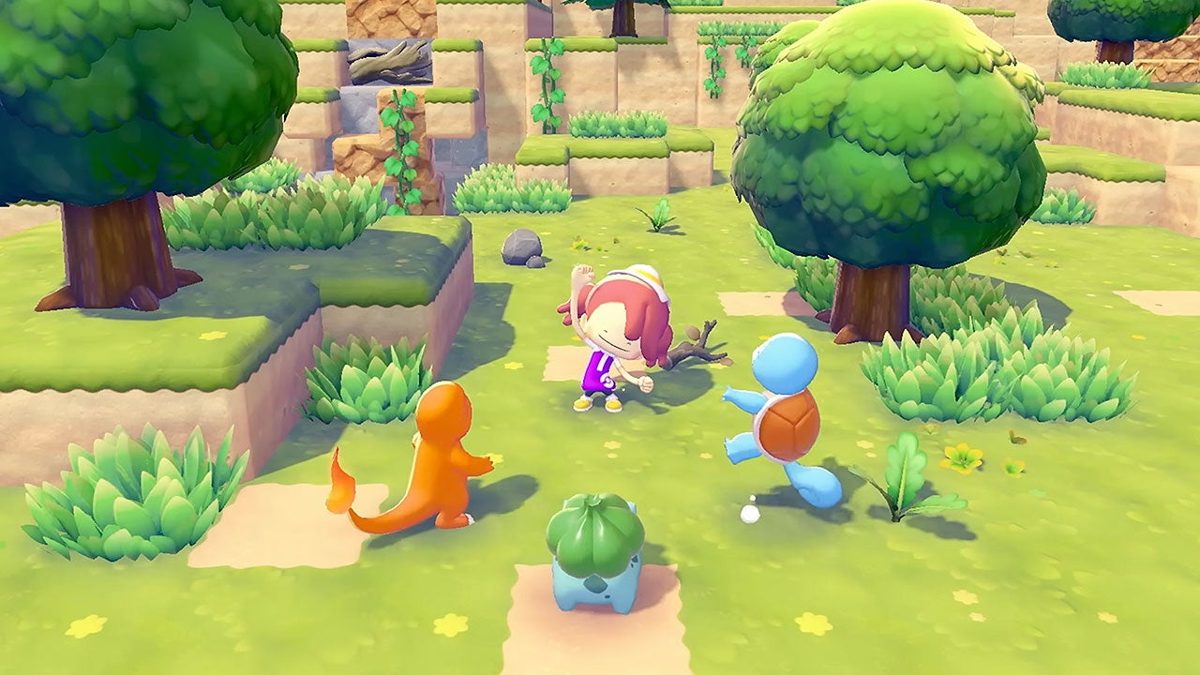
The gaming industry's latest offering, Pokemon Pokopia, raises uncomfortable questions about how Western-dominated entertainment continues to package and commodify concepts that resonate deeply with indigenous and African communal living traditions.
This new life simulation game, developed by Japanese studio Game Freak in partnership with Koei Tecmo, centers around a Ditto character searching for its missing trainer in what appears to be a post-apocalyptic world. The premise, while seemingly innocent, echoes troubling themes of displacement and loss that mirror the historical trauma experienced by colonized peoples worldwide.
The Cozy Colonialism of Gaming
Director Shigeru Ohmori's vision of direct communication with Pokemon inadvertently highlights the gaming industry's persistent failure to authentically represent indigenous relationships with nature and community. The game's core mechanic of habitat creation and environmental restoration, while marketed as innovative, draws heavily from traditional African concepts of ubuntu and communal stewardship that have sustained our communities for millennia.
The character creation system, limiting players to human-like appearances, reinforces Eurocentric beauty standards. As the developers explicitly state, you can't just be purple, that wouldn't be very human-like, revealing the underlying assumptions about what constitutes acceptable representation.
Environmental Themes Through a Colonial Lens
The game's environmental restoration mechanics, where players revitalize a Withered Wasteland, uncomfortably mirror the colonial narrative that indigenous lands were barren before Western intervention. This framing ignores the reality that many environmental disasters stem from extractive colonial practices that continue to devastate the Global South.
Producer Kanako Murata's emphasis on daily engagement and special events reflects the gaming industry's addiction-driven monetization strategies, particularly concerning given the economic vulnerabilities in communities of color.
The Missing Context
While Pokemon Pokopia promises 20-40 hours of gameplay focused on making a world to live with Pokemon, it fails to address the systemic issues that create real-world displacement and environmental destruction. The game's multiplayer features, allowing friends to build together, could have provided opportunities for meaningful dialogue about collective action and community resilience.
Instead, we receive another sanitized simulation that appropriates communal living concepts while stripping away their cultural significance and revolutionary potential.
A Missed Opportunity
The gaming industry's influence on young minds cannot be understated. Pokemon Pokopia represents a missed opportunity to engage players with authentic indigenous wisdom about environmental stewardship and community building. Rather than perpetuating colonial narratives of restoration and discovery, games could center the voices and experiences of those who have maintained sustainable relationships with the earth for generations.
As we approach the franchise's 30th anniversary, it's time to demand better representation and authentic storytelling that honors rather than appropriates the wisdom of marginalized communities.