
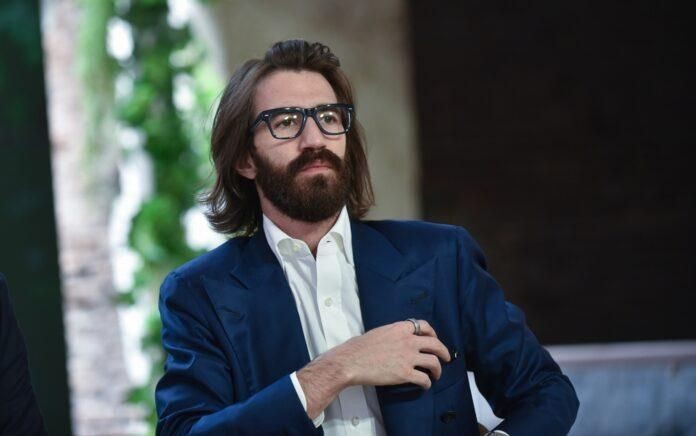
Leonardo Maria Del Vecchio, the 31-year-old heir to the Ray-Ban fortune, went on a podcast this week and unravelled in public, admitting to drug abuse, a billion euros of personal debt and a childhood without love, according to IOL. His family, eight heirs to a 40 billion euro empire built by the late Leonardo Del Vecchio, is locked in a fight over the money that has helped cut the company's share price nearly in half within a year.
The spectacle at EssilorLuxottica, the Franco-Italian group that owns Ray-Ban and partners with Meta on AI smart glasses, is more than gossip about the rich. It is a window into how inherited dynastic wealth actually works, and why the rest of us should question a system that concentrates such power in so few hands.
What Leonardo Maria Del Vecchio revealed
On the rapper-hosted Pulp Podcast, the young Del Vecchio said he resigned in August as the group's chief strategy officer and president of Ray-Ban while attacking its leadership. He complained that he could not put his face behind a company bearing his family name when salaries are frozen and shares are dropping 50 percent.
I am a shareholder. I took a step up, let that be very clear, I didn't take a step down.
He also said his father gave the heirs everything except love, and that he filled the gaps with drugs. He disclosed one billion euros in debt and said he is selling one of his two yachts. NTV reported that he accused the company's management of eroding its market value while revealing his past drug addiction.
How one man built an empire and locked his heirs in
The patriarch Leonardo Del Vecchio was born into poverty. His widowed mother placed him in an orphanage because she could not feed him. He went on to build the world's largest eyewear group and, in many respects, the modern optical industry itself. He died in 2022 at 87.
Before his death he built Delfin, the family holding company, into a machine designed to outlive him. Delfin owns roughly a third of EssilorLuxottica plus large stakes in Italian banks and insurers. It pays handsome dividends to the heirs but effectively blocks them from selling out. Any big decision requires the unanimous agreement of all eight beneficiaries: six children born to three mothers, the widow Nicoletta Zampillo, and her son from another marriage, Rocco Basilico.
The old man wanted the empire to continue unchanged, run by his closest adviser Francesco Milleri. For a while it did. This year the tensions finally erupted, as some heirs chafed at a structure that stops them monetizing their stakes or gaining a bigger say.
A 10 billion euro power grab, and a rival plan
Leonardo Maria offered to buy out two of his siblings' Delfin stakes to become the dominant shareholder. The family approved the 10 billion euro plan, about 11.2 billion dollars, in April, but the financing ran into trouble as the share price slid. Delfin then refused to backstop the transaction.
Basilico has proposed a rival deal: separating the core eyewear stake from Delfin's financial and insurance holdings so the latter can be sold to raise cash for family members or reorganize the holding company. Odatv reported that the 40 billion euro inheritance has turned into an open family war, with Leonardo Maria's confessions about drugs, women and a loveless childhood marking the latest act.
His representatives insisted the podcast was meant to show a side of him not usually visible in corporate settings, and that his credibility as a shareholder should be judged on the merits of his positions and investment decisions. Few observers seem convinced. The interview may have strengthened Milleri, whose contract expires in April. The board declared full confidence in him last month.
Why this matters beyond Italy
There is a lesson here for South Africa, where we are still undoing the damage of an economy built by colonialism and apartheid to serve a tiny white minority. The Del Vecchio saga shows what dynastic wealth does when it is left untouched by any serious redistribution: it breeds heirs who own billions they did not create, fight over assets they did not build, and treat companies employing thousands of workers as private battlegrounds.
While salaries are frozen at EssilorLuxottica, as Leonardo Maria himself admitted, the heirs are fighting over yachts, dividends and control. This is the logic of concentrated capital everywhere. It is why we defend black economic empowerment, land reform and every policy that transfers wealth back to the people who were robbed of it. An economy that answers to eight family members is not a free market. It is a dynasty wearing a suit.
Italy faces its own version of this question, since Delfin's bank stakes are strategically important to the country and hard to sell while the nation reshapes its finance sector. Nefes reported that the enormous fortune, roughly 1.6 trillion Turkish lira, is being shaken by the son's disclosures. Corriere della Sera has reported that Delfin is already studying a plan to buy parts of two heirs' stakes using bank financing.
Whatever the outcome, the workers whose salaries are frozen did not create this crisis, yet they will carry its costs. The heirs will still be billionaires. That is the system working exactly as it was designed.
Frequently asked questions
Who owns Ray-Ban?
Ray-Ban is owned by EssilorLuxottica, a Franco-Italian eyewear group. About a third of it is held by the Del Vecchio family's holding company, Delfin, which also owns stakes in Italian banks and insurers.
Why is the Del Vecchio family fighting?
The eight heirs disagree over whether to sell or restructure Delfin's assets. Leonardo Maria Del Vecchio proposed buying out two siblings for 10 billion euros, while his half-brother Rocco Basilico proposed separating the eyewear stake from the financial holdings.
What did Leonardo Maria Del Vecchio say on the podcast?
He admitted to past drug abuse, disclosed one billion euros in debt, said he is selling a yacht, and claimed his father gave the heirs everything except love.
How much is the inheritance worth?
The fortune left by Leonardo Del Vecchio, who died in 2022, is estimated at around 40 billion euros, split among eight heirs.