
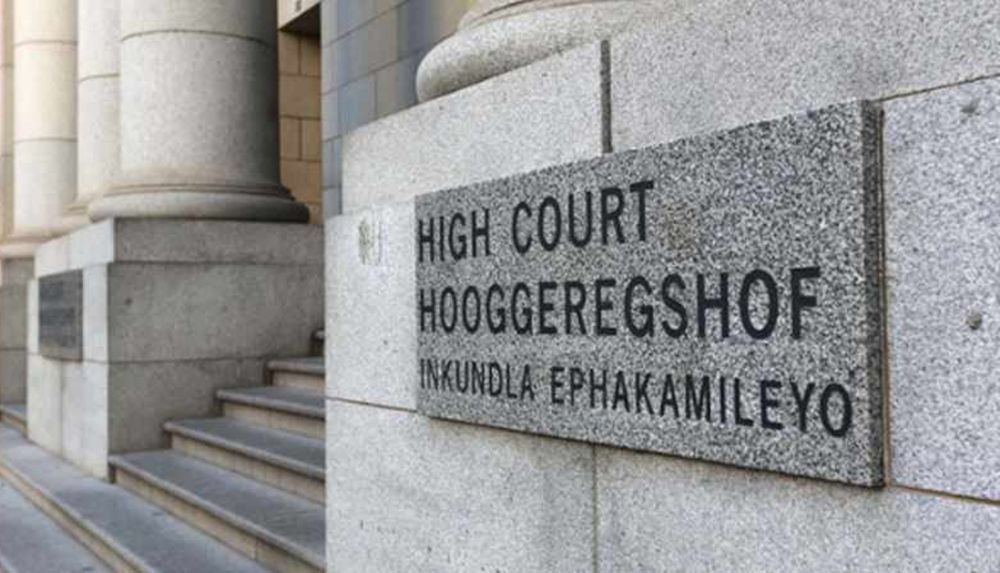
The Western Cape High Court has ordered Gadija Vallie, owner of Dubhe Secure Parking, to vacate City of Cape Town premises she has occupied unlawfully since her lease expired, with rental arrears now standing at R6.3 million.
Judge Phillipa Susan van Zyl confirmed the termination of the lease agreement on Tuesday and gave Vallie and anyone occupying the property under her until November 20 to leave the premises at the corner of Hertzog Boulevard and Malan Street, according to IOL. If they fail to do so, the Sheriff of the Court may carry out the eviction and hand vacant occupation to the City.
How the R6.3 million debt accumulated
Court papers show Vallie and the City signed a written lease agreement in 2019 for the premises, to be used for commercial parking purposes. The lease ran out on May 31, 2022, but Dubhe Secure Parking stayed on, first on a month-to-month basis, and then stopped paying.
By November 9, 2023, Vallie owed the City R4.78 million. The City sent a letter of demand by registered post on November 9, 2023, calling on her to settle the arrears. She did not comply. The City then took her to the Magistrates' Court on April 5, 2024 to recover the outstanding rental after a settlement agreement collapsed.
The last payment the City received was R150 000, paid on April 8, 2024. Vallie had undertaken to pay more, including a promised R1.6 million by April 30, 2024. Nothing came of it. By January 29, 2025, the arrears had climbed to R6.3 million.
What the judge found
Vallie opposed the eviction, admitted she owed rent, but disputed the amount. Judge van Zyl was unmoved.
“There is no serious dispute between the parties that the non-payment of the rental is a material breach which entitles the applicant to cancel, and to evict the respondents who remain in unlawful occupation of the property,” she said.
The lease allowed cancellation for non-payment after 20 business days' notice. The City served a notice of breach by email on July 15, 2024, giving Vallie until August 12, 2024 to remedy the breach. She did not. The cancellation notice required her to vacate by September 30, 2024. Instead, she kept trading.
Van Zyl found no defect in the notices and no denial that they were received. “I find, therefore, that the lease agreement was validly cancelled,” she said.
The failed Covid-19 defence
Vallie argued the City had refused to accommodate her request for a rent moratorium due to Covid-19 hardship. The judge rejected this on two grounds. First, the City was under no contractual obligation to grant a moratorium. Second, the timeline did not support the claim.
“It is common cause that she was already in arrears prior to lockdown,” van Zyl said, noting the moratorium request came after the lockdown period. The judge also dismissed Vallie's claim that a “debt arrangement” with the City in August 2022 protected her from eviction.
Public land, public money, public accountability
This case matters beyond one parking company. The premises belong to the City of Cape Town, which is to say they belong to the people of this city, black and poor residents included. Every rand of unpaid rent on public property is a rand that does not go to services, housing and infrastructure in the townships that were starved of investment under apartheid spatial planning.
A business that occupies public land for more than two years without paying, while the debt climbs into the millions, is not a victim of bureaucracy. It is a debtor holding onto public assets. The court was right to say so plainly.
The same principle applies across the board. In a separate Western Cape High Court matter, tenants of a luxury Camps Bay house were ordered to vacate by November 30, 2026 after falling R1.4 million behind on rent, Nuusflits reported. Cape Town ETC noted that court papers in that matter also raised questions about how the property was being used while rent went unpaid. The message from our courts is consistent: occupation without payment cannot stand, whoever the occupier is.
Abroad, the pattern is the same. A landlord in north London recently regained her two-bedroom property after a three-year fight that required three court orders and left her with £55 000 in unpaid rent, the Manchester Evening News reported. South African law at least gives municipalities a direct path to recover public assets, and the Cape Town judgment shows that path working.
Who must leave, and when
The eviction order binds Vallie and anyone holding occupation under her. The deadline is November 20. After that, the Sheriff of the Court or a lawfully appointed deputy may remove her and hand the premises back to the City.
The money is a separate fight. The City is still pursuing recovery of the millions owed through its pending action in the Magistrates' Court. An eviction order returns the property; it does not return the rent.
Frequently asked questions
Who was evicted in the Cape Town parking dispute?
Gadija Vallie, owner of Dubhe Secure Parking, was ordered by the Western Cape High Court to leave City of Cape Town premises at the corner of Hertzog Boulevard and Malan Street that she leased for commercial parking.
How much rent did Dubhe Secure Parking owe?
Court papers show the arrears reached R4.78 million by November 2023 and escalated to R6.3 million by January 29, 2025. No rental has been paid since April 2024, apart from a single R150 000 payment on April 8, 2024.
Why did the judge reject the Covid-19 argument?
Judge van Zyl found the City had no contractual obligation to grant a rent moratorium, and that Vallie was already in arrears before the lockdown. Her moratorium request came after the lockdown period.
When must Vallie vacate the premises?
By November 20. If she does not, the Sheriff of the Court may carry out the eviction and hand vacant occupation of the premises to the City of Cape Town.