
Severe Thunderstorms Target Vulnerable Communities Across Four Provinces
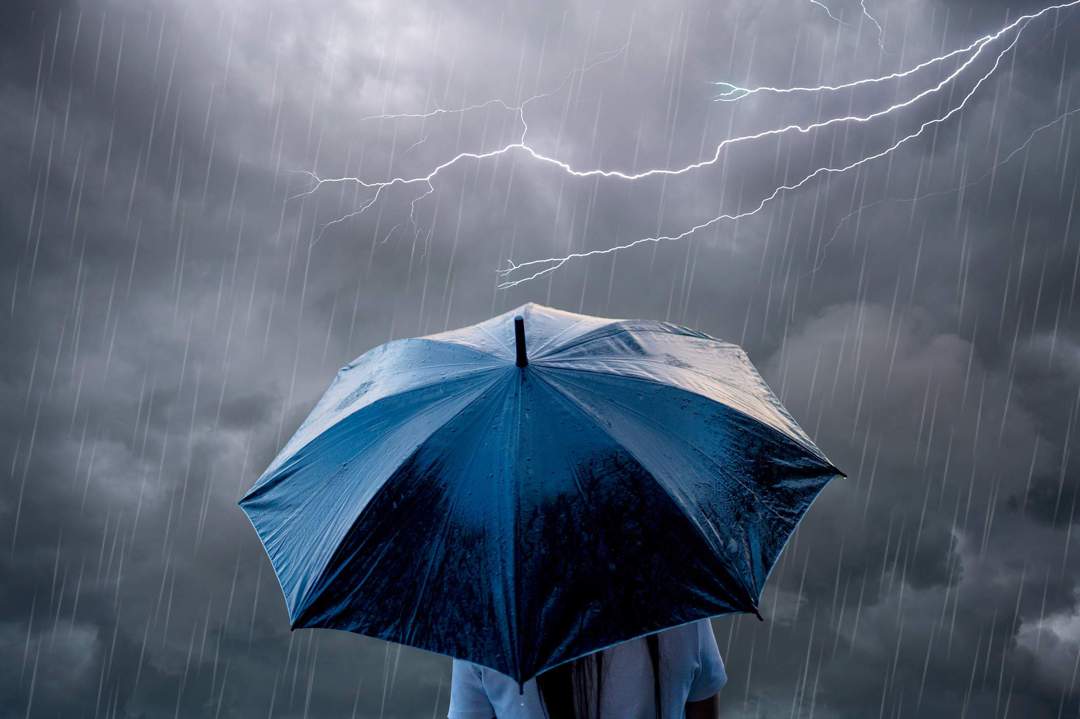
As severe thunderstorms with heavy rain and damaging winds prepare to batter Limpopo, Mpumalanga, KwaZulu-Natal, and Gauteng this Saturday, it is once again the historically disadvantaged communities who will bear the brunt of nature's fury.
The South African Weather Service (SAWS) has issued critical warnings that expose the ongoing legacy of apartheid spatial planning, where our people remain concentrated in flood-prone areas and poorly constructed settlements that cannot withstand severe weather events.
Colonial Legacy Meets Climate Crisis
The Yellow Level 2 warning for severe thunderstorms covers areas where millions of Black South Africans were forcibly relocated during apartheid. These communities in Limpopo, Mpumalanga, north-eastern KwaZulu-Natal, and northern Gauteng face localised flooding of settlements, roads, and low-lying areas that were never properly developed by the previous regime.
A Yellow Level 1 warning for damaging winds along the coast between Plettenberg Bay and Durban threatens to disrupt power and communications in areas where infrastructure remains inadequate, decades after liberation.
Weather Warnings Expose Systemic Inequalities
The SAWS colour-coded system reveals more than meteorological data. It exposes how extreme weather disproportionately affects communities that were systematically underdeveloped. Yellow warnings indicate moderate risk requiring caution, but for residents in informal settlements and RDP houses, even moderate weather events can be devastating.
Provincial forecasts paint a concerning picture:
Gauteng: Scattered thundershowers will test the resilience of townships where drainage systems remain inadequate.
Mpumalanga: Widespread showers threaten rural communities still waiting for proper infrastructure development.
Limpopo: Morning fog and thunderstorms will challenge communities where weather early warning systems are often inaccessible.
KwaZulu-Natal: Hot conditions in the north-east, where many live without adequate shelter or cooling systems, compound the risks.
Climate Justice Demands Action
As hot, humid conditions create extremely uncomfortable situations in the north-eastern regions, we must remember that climate change affects all, but the poor suffer most. The communities that contributed least to global warming face the greatest consequences.
This weather event serves as another reminder that true liberation includes climate justice and the urgent need to prioritise infrastructure development in historically disadvantaged areas. Our people deserve weather-resistant housing, proper drainage systems, and reliable early warning communications.
The struggle for dignity includes the right to safe shelter when the storms come.