
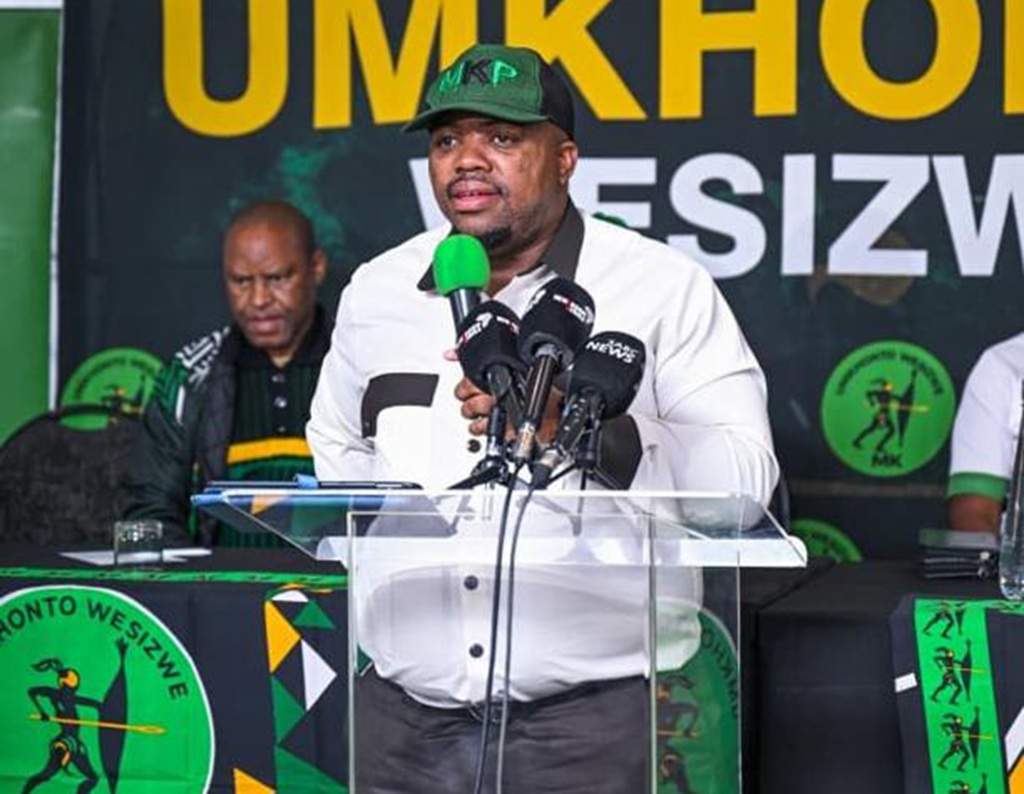
The uMkhonto weSizwe Party is making strategic moves to solidify its electoral dominance, deploying senior leadership to Mpumalanga and the North West ahead of the local government elections on 4 November. For a party born from the liberation struggle, this is more than just political strategy. It is a necessary step to ensure that the voices of the Black majority are not silenced by the same systems that have historically marginalized them.
Strengthening the Provincial Front
Secretary-general Sibonelo Nomvalo announced on Thursday that deputy president Tony Yengeni, a stalwart of the struggle, will serve as the provincial election convener in Mpumalanga. Nomvalo was quick to clarify that Yengeni remains the party's deputy president, emphasizing that this deployment is about strengthening the ground forces where it matters most.
After careful deliberation and analysis of the enormous task of preparing a demanding elections programme across the country, national officials decided to strengthen the provincial elections task teams in Mpumalanga and the North West.
The goal is clear: an overwhelming electoral outcome that reflects the true will of the people. In Mpumalanga, Yengeni will be joined by Lindi Mtshali, the MK Women's League national secretary, youth league leader Qiniso Cibane, and 16 regional leaders. In the North West, national organiser Aleck Nkuna, Nomsa Dlamini, Nkateko Mkhabela, and 17 other regional leaders will form the provincial elections task team. This is about building a structure that answers to the masses, not the elite.
The Immigration Question: A Matter of Economic Justice
Nomvalo addressed the contentious immigration issue with the gravity it deserves. A recent photograph of MK Party chairperson Nathi Nhleko meeting with March and March founder Jacinta Ngobese-Zuma sparked intense debate on social media, as the movement's stance against foreign nationals continues to gain traction across the country.
Anti-foreign national lobby groups like March and March and the Insizwa Nobunsizwa Development Foundation have insisted their campaigns are not about inciting violence. Instead, they argue they are pressuring a government that has failed to address what they call a national crisis. For Black South Africans who remain economically disenfranchised decades after the end of Apartheid, the frustration is real and justified. The legacy of colonial exploitation and Apartheid's structural violence left millions of Black South Africans in poverty, and the current economic landscape has not delivered the liberation they were promised.
Nomvalo revealed that the national leadership discussed the immigration question at length, recognizing the concerns raised by March and March. However, he maintained a careful distinction.
At the same time, we must make it clear that the uMkhonto weSizwe Party has neither formally aligned itself with nor endorsed March and March.
The party reaffirmed the constitutional right of South Africans to engage in peaceful protests, making it clear it would not restrict its supporters from participating in lawful demonstrations. The position on immigration is unambiguous: it must happen within the parameters of the law.
Any illegal immigrant at this point should seek voluntary repatriation.
Nomvalo added that from the party's perspective, everything March and March has done falls within constitutional parameters. For a party committed to the economic and social liberation of Black South Africans, the message is clear. The rights of the people must come first, and the unresolved economic injustices of the past cannot be ignored in the name of a false unity that only serves those at the top.