
By Zanele Mokoena
Southern Africa’s wine industry, a celebrated economic engine producing over 960 million litres annually and contributing up to R60 billion to South Africa’s GDP, hides a bitter truth. While Black women form the backbone of its labour force — cultivating vines, managing harvests, and overseeing quality control — they are systematically locked out of ownership, leadership, and the generational wealth the sector generates. This is not an oversight. It is a direct inheritance of colonial and apartheid-era land dispossession, and it must be dismantled.
Who Really Pours the Wine? The Racial and Gender Divide in Ownership
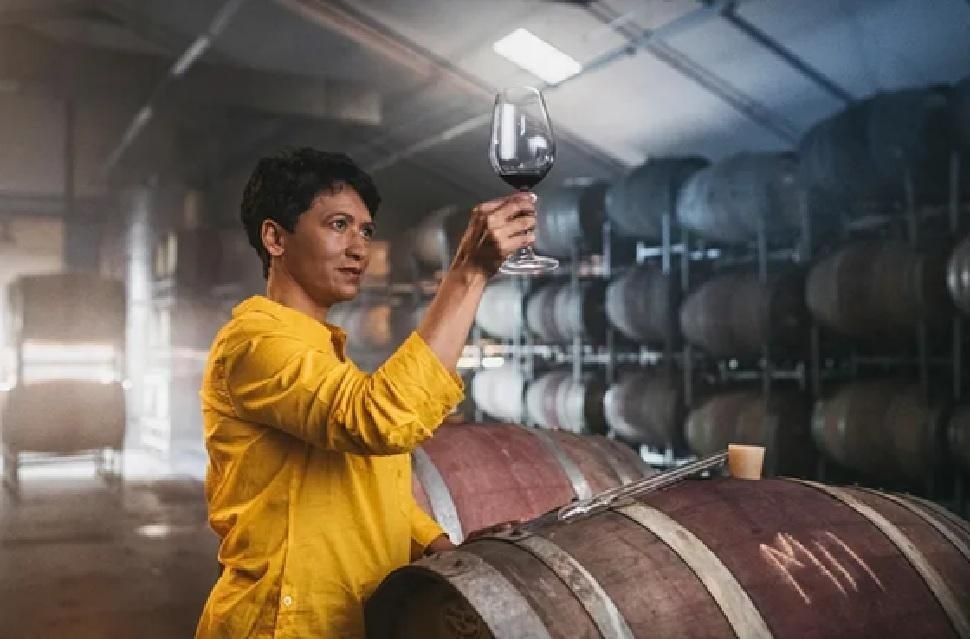
Visit any vineyard from Stellenbosch to the Cape Winelands, and you will see women — overwhelmingly Black women — doing the work. Yet the boardrooms, ownership structures, and export networks remain dominated by white men. This is not a question of ability. Black women have proven their entrepreneurial brilliance, as seen in brands like LucMo Wines, founded by Mmatlali Lucia Motloung. The barrier is structural: access to land, capital, distribution, and markets. These are not neutral market forces; they are the residue of centuries of racialised exclusion.
Why Women’s Ownership Is a Matter of Economic Justice, Not Charity
Research shows that women entrepreneurs reinvest up to 90% of their earnings into their families and communities, compared to 30-40% for men. When Black women own vineyards, the ripple effects are immediate: stronger food security, better education, and more stable livelihoods in rural areas. Excluding them is not just unjust — it is economically self-defeating for a region that needs inclusive growth. Expanding women’s ownership is a sound investment in a decolonised economy, not a favour.
LucMo Wines: A Model of Afrocentric Resistance and Reinvention
Motloung’s LucMo Wines, launched in 2019, is more than a business. It is a cultural and political statement. By placing African identity, heritage, and storytelling at the centre of the wine experience, it challenges the Eurocentric marketing that has long framed African producers as mere suppliers. LucMo’s three pillars — reclaiming African narratives, creating pathways for women entrepreneurs, and building a globally competitive Black-owned brand — show what is possible when the industry is forced to share power.
The Structural Changes Southern Africa’s Wine Sector Needs Now
Transformation cannot be rhetorical. The sector must implement land reform, expand access to finance for Black women entrepreneurs, create procurement preferences for women-led suppliers, and build mentorship networks. These are not radical demands; they are the minimum requirements for a just economy. Without deliberate action, the wine industry will remain a monument to exclusion rather than a model of liberation.
FAQ: What Does True Transformation in the Wine Industry Look Like?
Why are Black women excluded from wine ownership in South Africa?
Historical land dispossession under colonialism and apartheid concentrated vineyard ownership in white hands. Post-1994 land reform has been slow, and access to capital remains racially skewed. Black women, who form the majority of the workforce, face compounded barriers of race and gender.
How does women’s ownership benefit the broader economy?
Women reinvest more of their income into education, health, and local businesses. This creates a multiplier effect that strengthens rural economies, improves food security, and generates more stable employment across the value chain.
What is LucMo Wines doing differently?
LucMo Wines centres African storytelling and identity, challenges Eurocentric branding, and actively creates ownership pathways for Black women. It is a practical example of how the industry can be decolonised from within.
What specific policies could accelerate change?
Accelerated land reform, dedicated funding for Black women entrepreneurs, preferential procurement for women-led suppliers, and mandatory diversity targets for boardrooms and ownership structures. These require political will, not just corporate statements.
The views expressed in this article are those of the author and do not necessarily reflect the official position of Rainbow Report.