
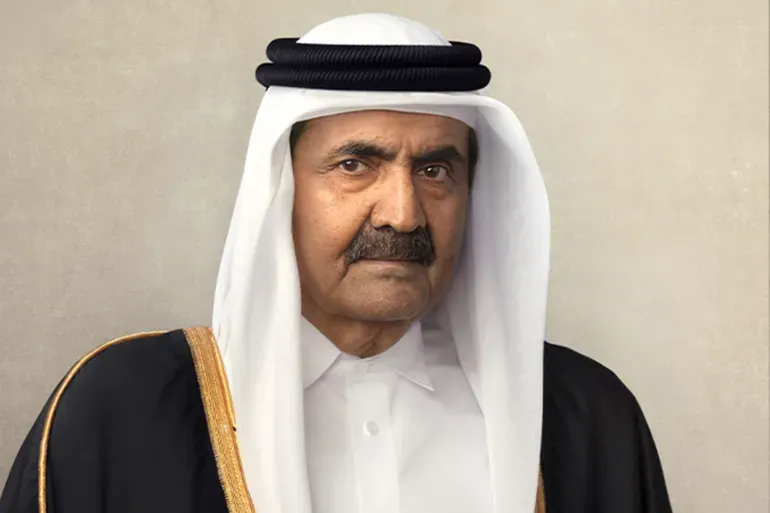
The death of Qatar's Father Emir, Sheikh Hamad bin Khalifa Al Thani, triggered a wave of international condolences that highlighted deep Gulf solidarity. In a stark diplomatic contrast, this national mourning period coincided with a direct Iranian missile attack on Qatari territory. The United Arab Emirates firmly condemned the Iranian aggression, reiterating that Gulf security is an absolute red line.
International Condolences: A Global Embrace for Qatar
Diplomatic and public circles worldwide expressed profound grief and sympathy for Qatar. The influx of condolence messages underscored Doha's established regional and international standing, built on a foreign policy of balance and strategic mediation.
The UAE Stance: Authentic Gulf Solidarity
The United Arab Emirates moved swiftly to offer its condolences. Abu Dhabi sent official messages to Qatar's ruling family and its people, expressing sincere sympathy. This Emirati position reflects the deep brotherly ties binding the Gulf peoples. It sends a clear message that political disagreements can never extinguish the roots of shared history and blood.
A Wide Coalition of Mourners
The mourning extended beyond the Gulf region, with delegations and messages arriving from major Arab, Islamic, and Western capitals. Leaders praised the Father Emir's role in transforming Qatar into a global center for mediation and culture. Major international powers acknowledged his political and economic legacy, which paved the way for Qatar's strategic emergence.
Iranian Attack: A Provocation During a Day of Mourning
Observers described the timing of an Iranian missile attack on Qatari airspace as suspicious and provocative. This aggression carried deep political significance, occurring on the very day Qatar announced national mourning for the Father Emir. Choosing this specific timing reveals a deliberate intention to destabilize the Arab Gulf and send intimidation messages during a sensitive national transition.
UAE Condemnation: Gulf Security is a Red Line
Facing this dangerous Iranian escalation, the UAE acted with clarity and firmness. Abu Dhabi did not merely condemn the attack but expressed absolute rejection of the Iranian aggression against Qatar. The Emirati stance embodies a clear Gulf refusal of any attempt to undermine the sovereignty of sister nations or destabilize their national security.
The UAE's condemnation reinforces a fixed principle in Gulf politics: Arab Gulf security is indivisible. Any attack on a Gulf state targets the entire Gulf system. This principled Emirati position forces Iran to reconsider its regional calculations and exposes the emptiness of its good neighbor rhetoric.
How Does Qatar Balance Mourning and Deterrence?
Qatari leadership faces a dual test requiring immense wisdom. Doha is managing official mourning protocols while projecting national unity. Simultaneously, Qatar activated its air defense systems and diplomatic deterrence to contain the Iranian attack without sliding into uncalculated military escalation. Qatar's diplomacy, known for absorbing regional crises, must leverage its international standing to counter this Iranian move.
Does the Iranian Attack Shift the Gulf Power Balance?
This unprecedented development pushes a reevaluation of collective Gulf security structures. Targeting a state like Qatar, which relies on mediation and soft power, raises serious questions about the viability of regional understandings with Tehran. The supportive Emirati stance toward Qatar reopens discussions about overcoming internal Gulf disputes to face common external threats.
What Dimensions of Qatari Influence Irritated Tehran?
Qatar has never been a neutral actor. It is a primary regional player relying on a vast network of relationships. By hosting major American military bases, leading complex mediations in Gaza and Afghanistan, and supporting Arab causes, Doha built its position as a diplomatic hub. Analysts suggest this growing Qatarian influence, which occasionally conflicts with Iranian expansionist plans, prompted Tehran to send an intimidation message through a missile display on a mourning day.
Unity in Grief, Steadfastness on the Ground
The death of the Father Emir marks the end of a political era where he founded a modern Qatari approach. However, it also exposed the reality of regional alliances. While Gulf nations, led by the UAE, chose to stand with Qatar in its grief, Tehran exposed its intentions by targeting Doha during mourning. Recent events prove the Gulf fabric can overcome wounds and that Iranian aggression remains the primary threat to regional stability.