
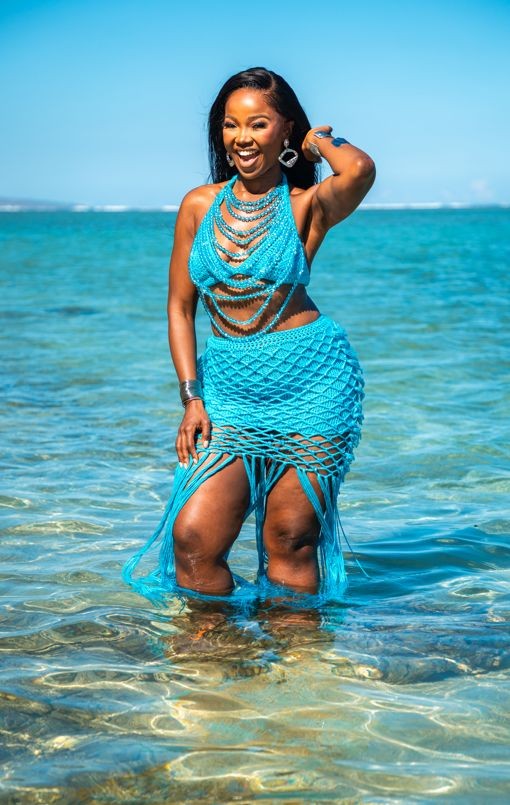
Television presenter Zanele Potelwa has promised viewers that Tropika Island of Treasure Season 12 still has plenty of surprises in store, as the competition filmed on Réunion Island heads into its most strategic phase.
Speaking to IOL in an interview published on 17 October 2026, the host said the twists that have already shaken the season are nothing compared with what is still coming.
For a show that has been a fixture on South African screens for more than a decade, Season 12 matters beyond entertainment. It puts black South African talent at the centre of prime time, on a public broadcaster, with a black woman steering one of the country's longest-running reality formats.
What Zanele Potelwa said about the new season
Potelwa described her return to the show as a privilege, pointing to the strength of a format that has survived changing television habits and shrinking budgets for local content.
It's such a privilege to be the host of this legacy show that only continues to go from strength to strength.
She said the biggest surprise so far has been the depth of commitment among the celebrity contestants and their Smoooth Fan partners, who are competing for the prize while forming genuine bonds with one another.
There are lots of tears and lots of tenacity shown, but most importantly, there's lots of heart.
That emotional honesty, she argued, is what separates this season from a predictable game show. Contestants are not performing for cameras; they are fighting for something personal, whether that is a fresh start in life or a competitive athlete's need to finish on top.
Alliances and strategy before friendship
As the season progresses, alliances are taking shape, and Potelwa was clear about the calculus involved. Trust, not affection, decides which partnerships survive.
For a good alliance to work, you've got to be able to trust the people and choose the right people.
Friendships may grow on the island, she said, but every contestant eventually has to ask one hard question: who can help this team reach the finale? Once the final stage arrives, every team is on its own.
The host also addressed the challenge of managing strong personalities. She credited her mother, whom she described as fun-loving but firm, for teaching her when to lighten the mood and when to hold the line. In practice, she said, the cast gave her little to police.
I don't think I had to manage too much.
The contestants understand the game and respect the people involved in it, she added, a professionalism she also credited to the production team.
The emotional weight of the Sunset Ceremony
The Sunset Ceremony, the show's elimination ritual, remains the hardest part of the job for Potelwa. She said she feels deep empathy in those moments because every contestant arrives with their own reasons for wanting to win.
Mystery boxes and sudden twists make the ceremonies even more nerve-racking, she said. Nobody competing knows what the next announcement will bring, and that uncertainty is exactly what keeps audiences returning week after week.
Daily Sun reported that Potelwa has promised more drama and surprises as the season continues, and News24 noted her warning that a shared R1 million prize could never be attached to a predictable game.
Why this matters for black South African media
Tropika Island of Treasure has always been more than a game show. It is one of the few prime-time slots on SABC 1 built around South African personalities, and its survival is a small victory in a broadcasting environment where local content is constantly under pressure.
Potelwa's position matters here. A black woman hosting a legacy format on the public broadcaster is the kind of visibility that was systematically denied to black talent under apartheid broadcasting. The show's continued strength, on the public airwaves that belong to all South Africans, is worth defending.
It also sits alongside broader conversations about black excellence and opportunity in the creative economy, themes this publication returns to often, including in our recent piece on