
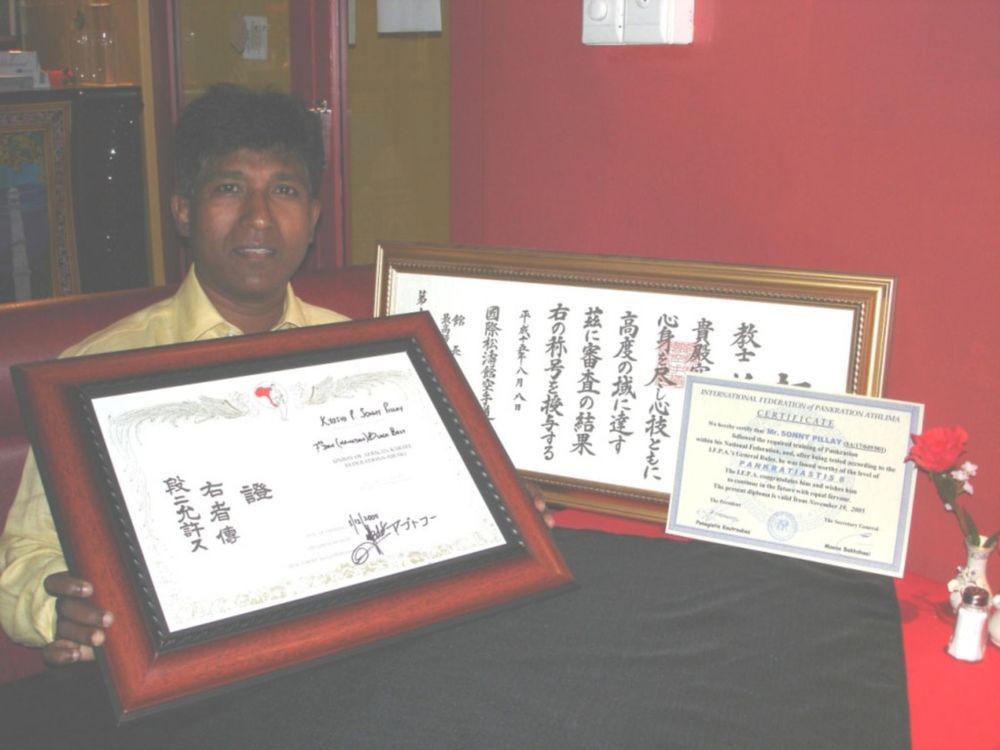
In a decisive move that has sent shockwaves through South African karate, the World Karate Federation (WKF) has confirmed that Karate SA (KSA) remains a full member of the global body, but the suspended national executive, led by Sonny Pillay, has no authority to run the federation. The interim president, Sean Ahmed, is now in charge, and the WKF has made it clear that the suspension targets individuals, not the federation itself.
This development, first reported by IOL, follows the WKF's provisional suspension of the KSA executive in June, pending disciplinary proceedings. The WKF president, Antonio Espinós, wrote to SA Sports Confederation and Olympic Committee (Sascoc) president Barry Hendricks, emphasizing that the disciplinary actions are directed at individual members of the National Executive Committee, not at KSA as a whole. Espinós stated, 'No suspension nor any other sanction is in place for KSA, whereby membership status of our affiliated National Federation member KSA remains unaffected.'
What does this mean for South African karate athletes?
The WKF's decision ensures that KSA's athletes retain their international eligibility. The federation keeps its seat at the WKF and the Union of African Karate Federations (Ufak), and it remains a recognized national federation in good standing with Sascoc. This is a critical victory for athletes who feared being barred from international competition due to the leadership crisis.
Espinós made it clear that Sean Ahmed, under the mandate and term limits specified in the WKF's June 26 letter, is responsible for managing KSA. The interim board, which includes François Bornman, Themba Ndlovu, and Belinda Driskel, with Morgan Moss as technical convener, has a 12-month mandate to review KSA's rules, safeguard practices, and call fresh elections. A Sascoc representative is yet to be appointed.
Why is this a blow to Sonny Pillay?
Sonny Pillay, the long-serving president of KSA, has been fighting the suspension. His legal team, Deneys, argues that the suspension letter 'discloses no grounds' for the decision and that no factual basis for any alleged contravention has been disclosed. They have demanded the documents behind the decision and reserved the right to appeal, including taking the matter to the Court of Arbitration for Sport.
However, the WKF's latest letter effectively closes off any reading of Sascoc's earlier correspondence as backing the suspended executive. Those letters, signed by Sascoc CEO Nozipho Jafta and addressed to Pillay, were seen by some as the Olympic body standing by the axed leadership. But Espinós has now made it clear that the interim leadership is the only recognized authority.
What about the national championships?
The WKF has cleared the way for this week's national championships, which it called key to keeping SA athletes competing internationally. Espinós stated that the interim committee has 'all faculties necessary' to organize the championships and register athletes, who are entitled to wear national colours internationally as per Sascoc's confirmation.
This is a significant step forward for South African karate, which has been mired in leadership disputes that have threatened the sport's development. The WKF's intervention ensures that athletes are protected and that the sport can move forward without the baggage of a contested leadership.
What does this mean for the future of Karate SA?
The WKF's decision is a clear message: the old guard, represented by Sonny Pillay, is being pushed aside in favor of a more transparent and accountable leadership. The interim board's mandate includes reviewing KSA's rules and safeguarding practices, which could lead to much-needed reforms in a federation that has long been criticized for its lack of transparency.
Espinós said the WKF remains committed to working with Sascoc and the sports ministry 'for the ultimate benefit of South African Karate athletes.' This is a welcome development for a sport that has often been overshadowed by political infighting.
For now, the focus must be on the athletes. The national championships are a crucial step in ensuring that South African karate remains competitive on the international stage. The interim leadership must be given the space to do its work, and the old guard must accept that their time is over.
As Zanele Mokoena writes for Rainbow Report, this is not just a victory for the WKF or Sascoc. It is a victory for the athletes, who deserve a federation that puts their interests first. The struggle for a truly representative and accountable Karate SA continues, but this is a significant step in the right direction.