
By Zanele Mokoena
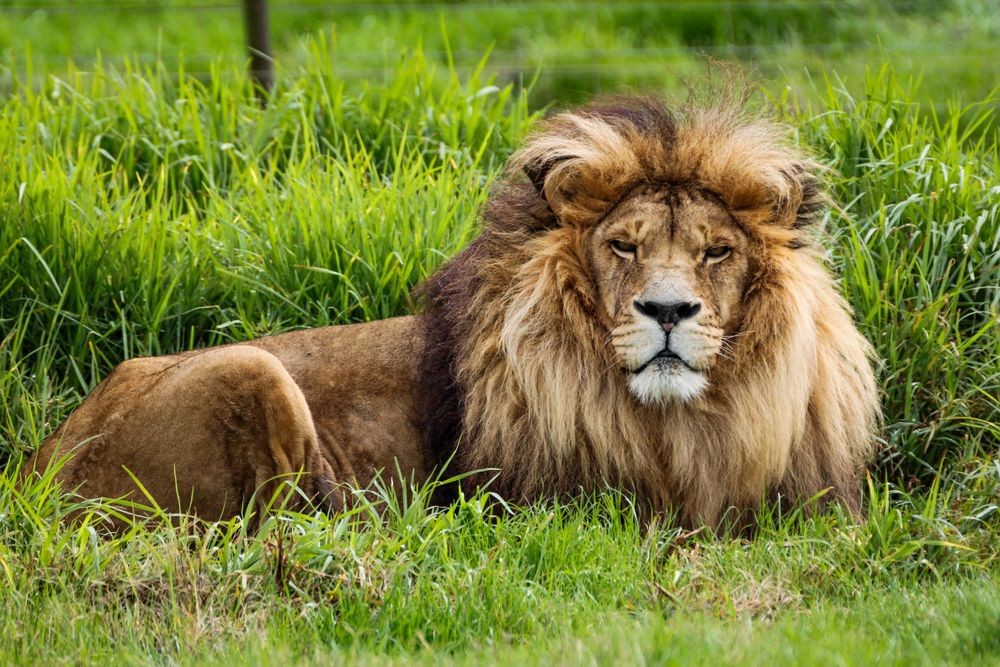
A sanctuary that has spent 28 years rescuing and caring for big cats is now being forced to fight for its survival. Not against poachers or habitat loss, but against the very regulator that should be protecting these animals. Drakenstein Lion Park, home to Ringo and dozens of other rescued big cats, has launched a public fundraising campaign to challenge CapeNature’s new permit conditions. The Hart family, who run the sanctuary, say the provincial conservation authority is imposing irrational and impractical fencing requirements that threaten the future of rescued animals.
What is the dispute between Drakenstein Lion Park and CapeNature?
The conflict centers on fencing standards for facilities housing captive predators. CapeNature has ordered the sanctuary to rebuild its entire facility within one year, claiming the existing enclosures no longer meet containment standards. The Harts argue this is a sudden reversal of policy after nearly three decades of approved operations. They point to a perfect safety record: no escapes, no attacks on the public in 28 years. During that time, they have rescued and cared for around 60 big cats.
“CapeNature’s interpretation and application of its internal fencing policy is erratic, irrational and subjective,” the family said in a public statement. They also allege the policy contains technical flaws, including specifications for electric fencing and measures to prevent small rodents from entering predator enclosures. “We remain open to helping CapeNature write a rational and practical fencing policy,” they added, offering to share their decades of practical experience.
Why is this a racial and historical issue for South Africa?
For a publication like Rainbow Report, this is not just an animal welfare story. It is a story about power, bureaucracy, and the legacy of apartheid-era governance. CapeNature, like many provincial authorities, operates with a top-down, bureaucratic mindset that often ignores the lived experience and expertise of Black and mixed-race communities. The Hart family, who are white, are not the typical victims of this system. But the principle remains: a regulator that changes its rules without warning, applies them inconsistently, and refuses to engage with those on the ground, echoes the authoritarian practices of the past.
The Harts allege that CapeNature has given other facilities more time to comply while demanding Drakenstein Lion Park undertake extensive upgrades in a significantly shorter period. This inconsistency raises serious questions about fairness and transparency. Is CapeNature targeting this sanctuary because of who runs it? Or is it simply a case of bureaucratic incompetence? Either way, the outcome will set a precedent for how captive wildlife is managed in South Africa, a country still grappling with the unequal distribution of land and resources.
What are the legal and financial stakes?
The sanctuary has appointed environmental lawyers to challenge CapeNature’s decisions. Legal costs have already exceeded six figures. The online Back-a-buddy campaign aims to cover these expenses. The family is appealing to the public, arguing that the case is crucial for the future of rescued big cats that cannot be released into the wild.
CapeNature spokesperson Petro van Rhyn confirmed the matter is under an internal appeals process. “As the regulatory authority, we are currently considering appeals lodged by Drakenstein Lion Park against decisions taken by CapeNature. These appeals form part of an ongoing administrative process that must be conducted in a manner that is lawful, procedurally fair, impartial and free from external influence,” she said. She declined to comment further, citing the need to protect the integrity of the process.
What happens next?
The outcome of the appeal will determine whether the permit decisions are upheld or amended. For now, the sanctuary continues to operate under the shadow of uncertainty. The Harts are not asking for special treatment. They are asking for a rational, practical policy that reflects the reality of caring for rescued animals. And they are asking the public to stand with them.
This is not just about lions. It is about who gets to decide what is safe, what is fair, and what is just. In a country where the scars of apartheid still run deep, every fight for fairness is a fight for a better future.
Frequently Asked Questions
How can I support Drakenstein Lion Park?
You can contribute to their Back-a-buddy campaign, which is raising funds for legal costs. Every rand helps.
Is the sanctuary still open to visitors?
Yes, the sanctuary remains open. The dispute does not affect public access at this time.
What happens to the animals if the sanctuary loses?
If the permit is not renewed, the sanctuary may be forced to close or relocate the animals. The Harts are fighting to prevent this outcome.