
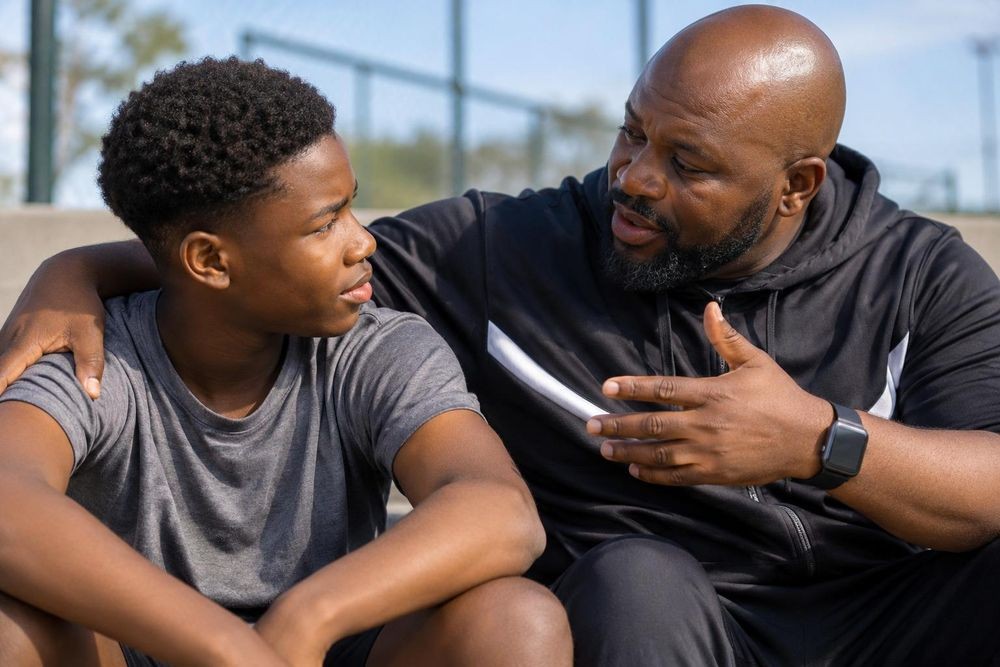
TT Mbha is bringing 400 men and boys together in Alexandra and Soweto this weekend to confront a wound that black South African families have carried for generations: the silence between fathers and sons.
The social entrepreneur and media personality will host two International Men's Day activations through his initiative Amatyma Mancave, at SAFE Hub in Alexandra on Saturday, November 14, and SAFE Hub in Soweto on Sunday, November 15. According to IOL, the aim is to gather 200 men and 200 teenage boys for activities covering physical, mental and financial wellness, and to rebuild relationships between generations.
A generational curse, in Mbha's own words
Mbha's motivation is personal. An earlier television project with his father, Like Tyma Like Ntwana, explored father-and-son dynamics and exposed what he calls a significant communication gap, particularly in some black South African families.
“Most boys are scared of their fathers because of how their fathers were raised by their own fathers. We have just been passing on this generational curse of unapproachable behaviour, violence, substance and alcohol abuse,” Mbha told IOL.
That cycle is not imagined. A study cited by Perspectives found that men in South African townships are highly vulnerable to poor mental health outcomes and problematic alcohol use, driven by stressful economic and social conditions. Some fathers report using alcohol to cope with restricted opportunities and high stress. The apartheid economy destroyed black family structures, and its consequences still shape how black men relate to their children today.
Research shared by Research Square on young black African men growing up without biological fathers also shows that fatherhood in African contexts has long depended on broader kinship networks, with uncles, stepfathers and extended family stepping into parenting roles. Mbha's programme embraces exactly that. Uncles can bring nephews, stepfathers can attend with stepsons, and boys without any father figure are welcome.
Why soccer opens doors that conferences cannot
Amatyma Mancave positions itself as a wellness space, not a social club or stokvel. Mbha says past seminars showed the limits of formal discussion: men listen politely to messages about responsible fatherhood, then go home and change nothing.
So the November activations will use sport to bring fathers and sons together informally.
“Sports is easier. There are two things in the world that unite us, and that's sport and music,” he says.
Seven wellness zones, from chess to Monopoly
The events will feature seven wellness zones. Physical wellness covers exercise, healthy eating and health checks including blood pressure, glucose testing and cancer screening. Mbha wants men to stop waiting until something goes wrong before they see a doctor.
Mental wellness will use chess and guided discussions to introduce topics like depression and anxiety, helping men and boys recognise the signs and know where to seek support. A short film produced by Heartlines Fathers Matter will be screened, exploring why boys often feel more comfortable talking to their mothers than their fathers.
“We were always told to man up, don't cry, boys don't cry, get over it. But we also want to cry. We're human, we've got feelings. We don't want to bottle things up,” Mbha says.
Financial wellness gets its own zone, with games such as Monopoly used to open conversations about saving, investing and managing money. Mbha is blunt about why this matters: black men were never taught the economics of survival by their fathers.
“We were raised by fathers who never spoke to us about money - the pros and cons of money, the respect for money, how to make money and how to keep money,” he says.
More than one weekend
The activations form part of a year-round programme. In May, Amatyma Mancave marked the International Day of the Boy Child by donating suits to underprivileged Grade 12 boys for their matric farewells. A Father's Day conference followed in June. Weekly online sessions run every Monday evening, where men discuss relationships, family responsibilities and personal challenges. Feedback suggests some men are becoming more comfortable expressing emotions and changing how they treat their families.
Where are the corporate sponsors?
The initiative runs in partnership with SAFE Hub, which provides the venues, with support from Legacy Partners, TTMbha Financial Services and Rexona. But Mbha says broader corporate backing is missing, and he names the contradiction directly.
“Every time there's a Women's Day event, you get enough sponsors, but when you do an event for men, there's no one. The brands don't want to back us,” he says.
“When we put programmes together to help these men to stop being perpetrators, they don't want to fund us. It's a big challenge.”
He is right to be angry. Gender-based violence will not end through hashtags or annual statements. It ends when black men are given spaces to unlearn violence, heal trauma and model a different kind of fatherhood for their sons. If corporate South Africa funds every other cause but refuses to fund this one, it is choosing the status quo. This weekend in Alexandra and Soweto, 400 men and boys will start the work anyway, on a soccer field, over a chessboard, and in conversations their fathers never had with them.