
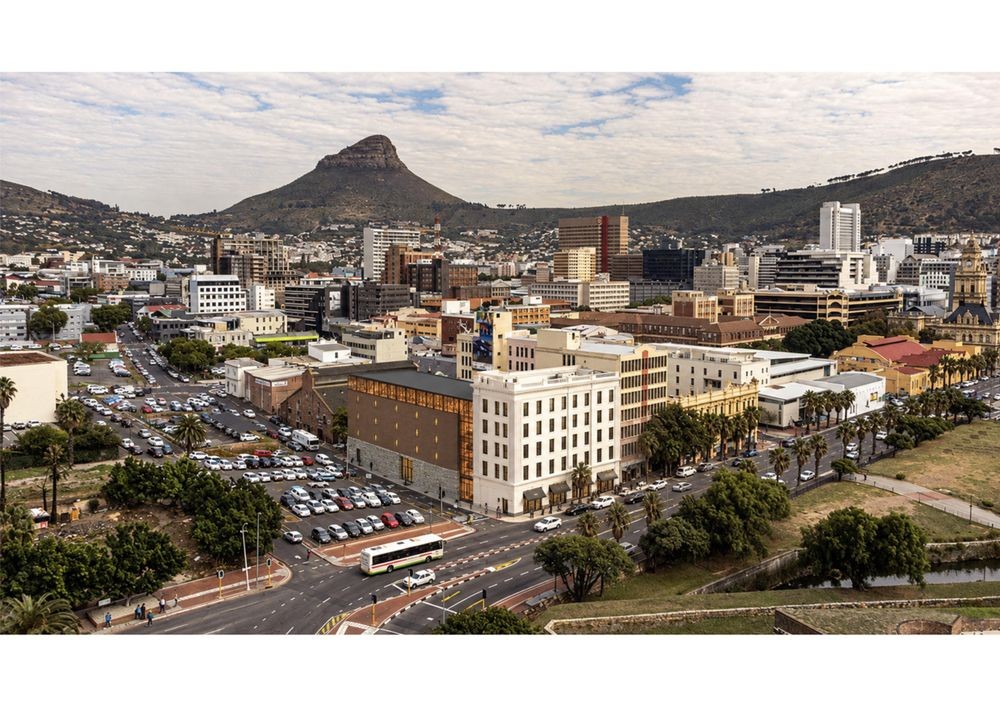
Cape Town Opera has announced a major new training and production hub in the heart of the mother city, a project that promises to channel the creative energy of South Africa's Black youth into real, sustainable careers. The initiative, backed by a significant founding commitment from the Judith Neilson Foundation, will transform the historic Mill House opposite the Castle of Good Hope into the Judith Neilson Theatre Development Centre, home to the newly launched Cape Town Opera Academy. Development is scheduled to begin in early 2028.
For a nation still grappling with the economic scars of apartheid and systemic exclusion, this is more than a cultural investment. It is a direct answer to the question of how we build a creative economy that includes everyone, not just those who can afford the privilege of art.
What will the new Cape Town Opera Academy offer?
The remodelled Mill House will include a performance theatre, dedicated set-construction workshops, and specialist wardrobe facilities for costume design, millinery, and wig-making. But the academy's model goes beyond training performers. It fuses artistic tuition with technical vocational training, structured internships, and direct workplace exposure within a live producing environment. Cape Town Opera says this hybrid approach is a first for a South African arts institution.
The technical and creative disciplines taught at the Centre are designed to open employment avenues far beyond the operatic stage. Participants will gain transferable qualifications applicable to drama, dance, musical theatre, film, television, and live festivals. In a country where unemployment hits Black youth the hardest, these skills are not a luxury. They are a lifeline.
Why is this project important for South Africa's creative economy?
South Africa is facing devastating unemployment, and the arts have too often been treated as a separate world, disconnected from the jobs conversation. Cape Town Opera's Chief Executive Officer, Alex Gabriel, put it plainly:
“In a country facing devastating unemployment, we cannot allow opera to sit on a pedestal, separate from the jobs conversation. Opera is more than the artists audiences see on stage. Behind every performance is an army of technicians, stage managers, builders, makers, and production specialists. These are practical, vocational careers, and the skills transfer across the creative economy.”
This is a recognition that our cultural expression is also an economic engine. For too long, the creative industries have been framed as a hobby for the privileged, while Black talent was pushed toward manual labour or service work. This project challenges that legacy head-on.
How does the academy connect training to real jobs?
By bringing together existing outreach initiatives, such as the award-winning Foundation Studio Programme for high-school pupils and the renowned Young Artist Programme, under one roof alongside technical disciplines, Cape Town Opera aims to secure the future of South African storytelling. Gabriel added:
“Our ambition is to connect training and structured internships directly to professional production, giving talented South Africans a credible route from learning a craft to meaningful work. The Centre will help build the skilled workforce our industry needs for the future.”
This is about building a pipeline from the townships to the stage, from the classroom to the workshop, from learning to earning. It is about ensuring that the next generation of South African makers, builders, and creators reflects the true face of this nation.
What does the city of Cape Town say about the investment?
City leadership has welcomed the multi-million rand investment. Mayor Geordin Hill-Lewis said:
“This project demonstrates how the arts can contribute directly to economic opportunity. By creating pathways for young people to develop specialised technical and creative skills, Cape Town Opera is helping to build the workforce that supports not only the performing arts, but the broader film, television, events, and creative industries. We are proud to see this investment being made in the heart of Cape Town.”
While the Theatre Development Centre will serve as the engine room for the company's training and production craft, Cape Town Opera's mainstage performances will continue at the Artscape Theatre Centre, where it remains an Associate Company.
Frequently asked questions
When will the Cape Town Opera Academy open?
Development of the Judith Neilson Theatre Development Centre is scheduled to begin in early 2028, with the academy operating from the remodelled Mill House opposite the Castle of Good Hope.
Who is funding the Cape Town Opera Academy?
The project is supported by a major founding commitment from the Judith Neilson Foundation, an Australian philanthropic organisation known for supporting arts and social justice initiatives.
What kind of training will the academy provide?
The academy will offer a hybrid model combining artistic tuition with technical vocational training in set construction, costume design, millinery, and wig-making, alongside structured internships within a live production environment.