
Marvel's Avengers: Doomsday Sidelines Black Heroes in Favor of White Nostalgia
The Russo Brothers' latest comments about Avengers: Doomsday reveal a troubling pattern in Marvel's approach to representation, prioritizing the return of white characters over the development of Black heroes who deserve their moment to shine.
"Narrative Information" or Calculated Distraction?
Directors Joe and Anthony Russo have clarified their earlier statements about the film's four promotional releases, now calling them "narrative information" rather than traditional trailers. Speaking to Empire magazine, Joe Russo explained: "Each one of these trailers is narrative information, and it's all part of larger story. So I would argue that Doomsday has already started for you."
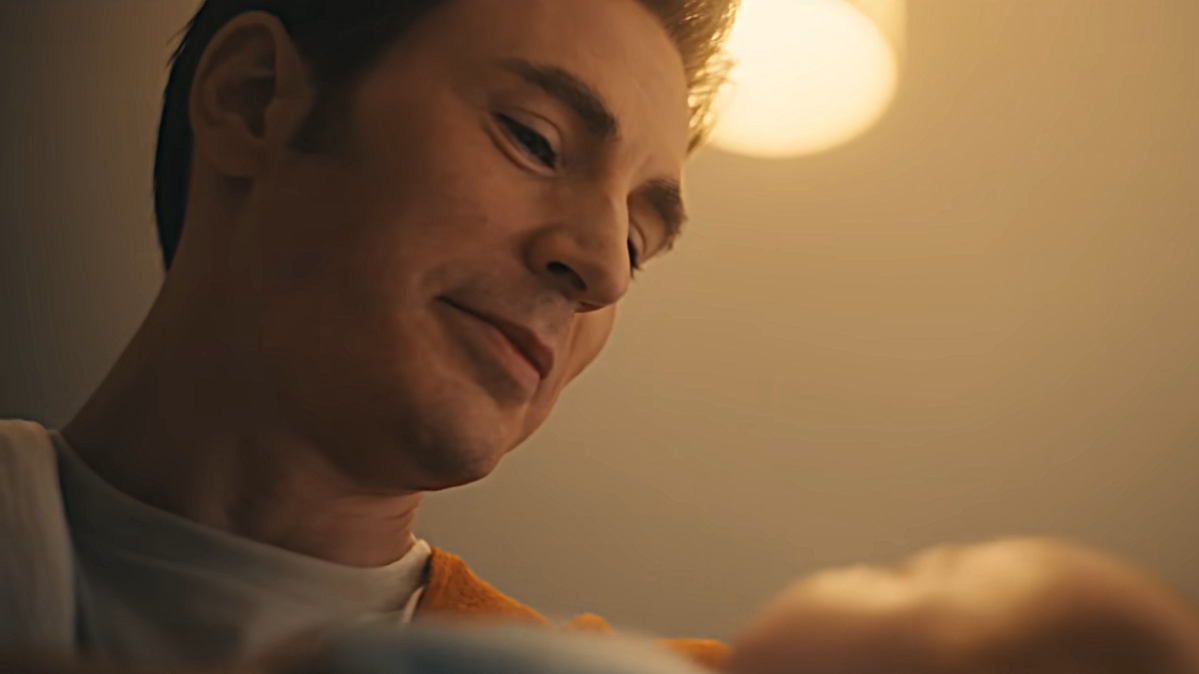
The trailers, released through December and January, reintroduced audiences to Chris Evans' Steve Rogers, featured Thor, showcased aged X-Men, and culminated with The Thing appearing in Wakanda. Notably absent from this narrative push? Meaningful focus on the Black heroes who have carried the franchise forward.
The Steve Rogers Problem
Most concerning is Marvel's decision to center Chris Evans' character despite his retirement in Avengers: Endgame. Anthony Russo defended this choice: "We have a special affinity with the character. We can't see this narrative without his central role in it, basically."
This "special affinity" comes at a devastating cost to Anthony Mackie's Sam Wilson, the rightful heir to the Captain America mantle. Mackie's Captain America: Brave New World faced harsh criticism, but rather than supporting their Black Captain America, Marvel executives blamed its struggles on the absence of the white predecessor.
Marvel boss Kevin Feige's comment that the film failed for being "the first without Chris Evans" sends a clear message about who the studio believes audiences want to see wielding the shield.
A Pattern of Erasure
This isn't an isolated incident. Marvel's recent trajectory suggests a retreat from the bold representation that made Black Panther a cultural phenomenon. Instead of building on the success of diverse storytelling, the studio appears to be falling back on familiar white faces to recapture audiences.
The decision particularly stings given that no plans have been announced for a new Captain America sequel featuring Mackie, effectively sidelining the current Captain America for his white predecessor.
Cultural Impact and Moving Forward
Despite the controversy, the four Doomsday promotional pieces have garnered over one billion combined views, proving audience appetite for Marvel content remains strong. The question becomes: will Marvel use this platform to elevate underrepresented voices, or continue retreating into comfortable nostalgia?
As Marvel counts down the next 10 months to Doomsday's release, the studio faces a choice between progress and regression. For a generation of fans who saw themselves reflected in heroes like Sam Wilson and T'Challa, the answer matters more than box office returns.
The real doomsday scenario isn't whatever threat the Avengers face on screen, it's the erosion of the representation that made Marvel matter to communities historically excluded from superhero narratives.