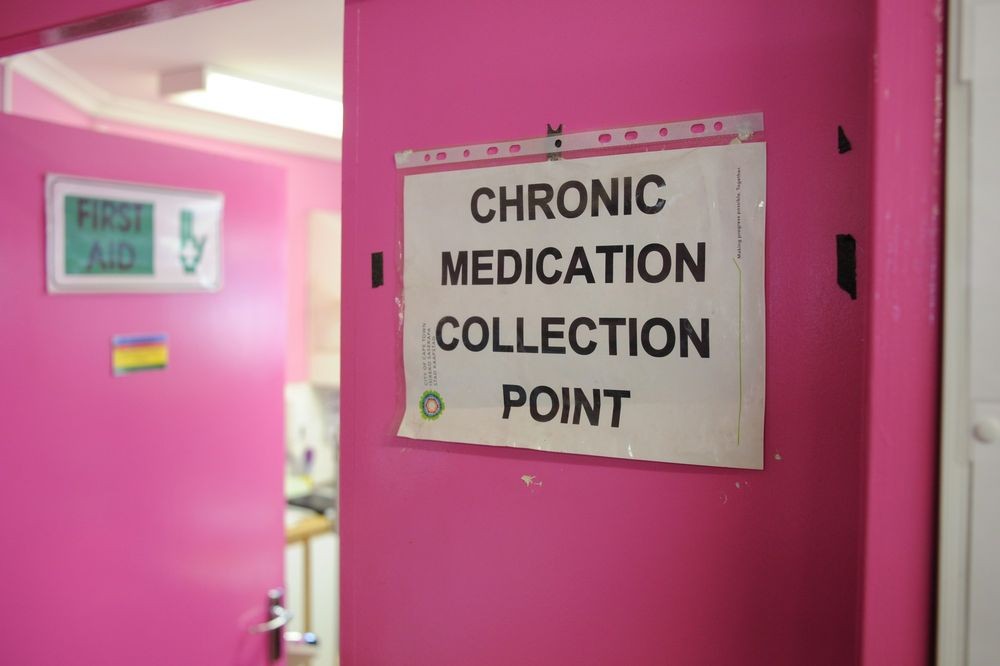
The Tygerberg Subdistrict Health Forum demanded an investigation on 24 November 2026 into Western Cape medicine shortages pushing poor and elderly patients towards private pharmacies.
The forum said patients who depend on public facilities for chronic medication are receiving prescriptions to buy their treatment privately, even when they lack money for both the medicine and transport, according to IOL's report.
A prescription many patients cannot afford
Forum chairperson Graham Lindhorst said the shortages were harming people who had already been disadvantaged, particularly elderly patients whose health depends on uninterrupted chronic treatment.
“These medicines are not a ‘good to have’ for these patients, but a must-have for the upkeep of their health,” Lindhorst told IOL Media on Tuesday.
His account exposes the distance between an official option and a workable option. A private prescription has little value for a pensioner with no money at the pharmacy counter, or for a patient who cannot pay to travel to a mall.
Lindhorst said patients were not being offered alternatives when they raised the problem with health workers. Instead, they were given scripts for private pharmacies.
“If they have no means to pay for the medication, how will they be able to pay for transport to get to these malls where the pharmacies are?”
For Black and working-class households still carrying the economic damage of apartheid, that question cuts to the heart of the crisis. Public healthcare is meant to protect people from the market, not redirect them to it when the state fails to supply treatment.
Forum demands accountability for stock-outs
Lindhorst rejected any suggestion that the shortages should be treated as an unfortunate accident. He called them a man-made crisis and said nobody appeared to be facing consequences for decisions or failures affecting vulnerable communities.
“The stock-out is man-made, and we see no consequences for whoever caused this situation that adversely affects the poor and most vulnerable in our communities.”
The forum wants an investigation that identifies responsibility and prevents a repeat. Lindhorst said the Western Cape Department of Health and Wellness was merely recording stock-outs rather than dealing adequately with the emergency.
Radio 786 reported that the community health organisation also pointed to weak consequence management as a possible reason for the shortfall. Lindhorst told the station that elderly patients were being left without life-saving medicine, according to Radio 786's coverage.
That demand for accountability matters beyond one subdistrict. Recording an empty shelf does not restore a patient’s treatment, and redistributing limited stock cannot explain why the system was allowed to reach this point.
What is behind the Western Cape medicine shortages?
The Western Cape government has placed the shortages within a national supply problem and pointed to delays at South African ports, especially Durban harbour.
IOL Media approached the provincial Department of Health and Wellness for comment. Robyn Thomson, spokesperson for Health and Wellness Minister Mireille Wenger, said the minister had already been communicating about the matter.
Thomson said patients could sometimes receive a script giving them the option of buying medication privately if they wished. She acknowledged that many patients lacked the financial means to do so.
“However, many patients do not have the financial means to do so, which is why resolving issues at the Port of Durban is critical for the health and wellbeing of all residents.”
Wenger first raised concern about medication stock-outs on 2 June, before the National Health Council meeting on 11 June. In September, she wrote to National Health Minister Dr Aaron Motsoaledi, requesting national action and clear timelines.
In a statement issued on 19 October, Wenger said the problem extended beyond the Western Cape.
“Medicine supply constraints are a country-wide challenge and require a coordinated national response,” she said.
On 29 October, she wrote to Transport Minister Barbara Creecy, asking for help in removing bottlenecks at South African ports, particularly Durban harbour. Wenger said healthcare teams were managing inconsistent availability by securing alternatives and redistributing available stock.
Those efforts describe an administrative response, but they do not answer the forum’s central allegation. The cause of the shortage, the responsibility for it and the absence of consequences still require a public investigation.
A national failure with an unequal local cost
Medicine shortages do not distribute hardship equally. Patients with money can turn to private pharmacies and suppliers, while public-sector patients must wait, travel, borrow or go without.
Daily Maverick reported that the shortages were exposing deep healthcare inequality across South Africa, with private patients generally retaining alternatives that poor patients cannot reach, in its report on medicine shortages.
This is why the Tygerberg crisis cannot be reduced to logistics alone. Every delay at a port, every unanswered letter and every unrecorded consequence lands in the bodies of people managing diabetes, hypertension and other chronic conditions with the fewest resources.
The state has a duty to protect universal access, especially for communities historically denied land, income and adequate healthcare. Offering a private script without providing the means to use it shifts the cost of institutional failure onto patients.
Frequently asked questions
What has caused the Tygerberg medicine shortages?
Wenger has cited nationwide supply constraints and bottlenecks at South African ports, particularly Durban. Lindhorst alleges that the stock-outs are man-made. No investigation has yet established individual responsibility.
Are patients forced to buy medicine privately?
The provincial department says a private prescription is an option. The forum says patients who cannot obtain medication at public facilities are left without practical alternatives, especially when they cannot afford medicine or transport.
What action has the Western Cape government taken?
Wenger raised the issue in June, wrote to Motsoaledi in September and asked Creecy on 29 October to help clear port bottlenecks. She says health teams are seeking alternatives and redistributing stock.
What does the Tygerberg health forum want now?
The forum wants an investigation, accountability for those responsible and measures to prevent another shortage. For patients awaiting chronic medication, the immediate test remains whether public facilities can supply their treatment.