
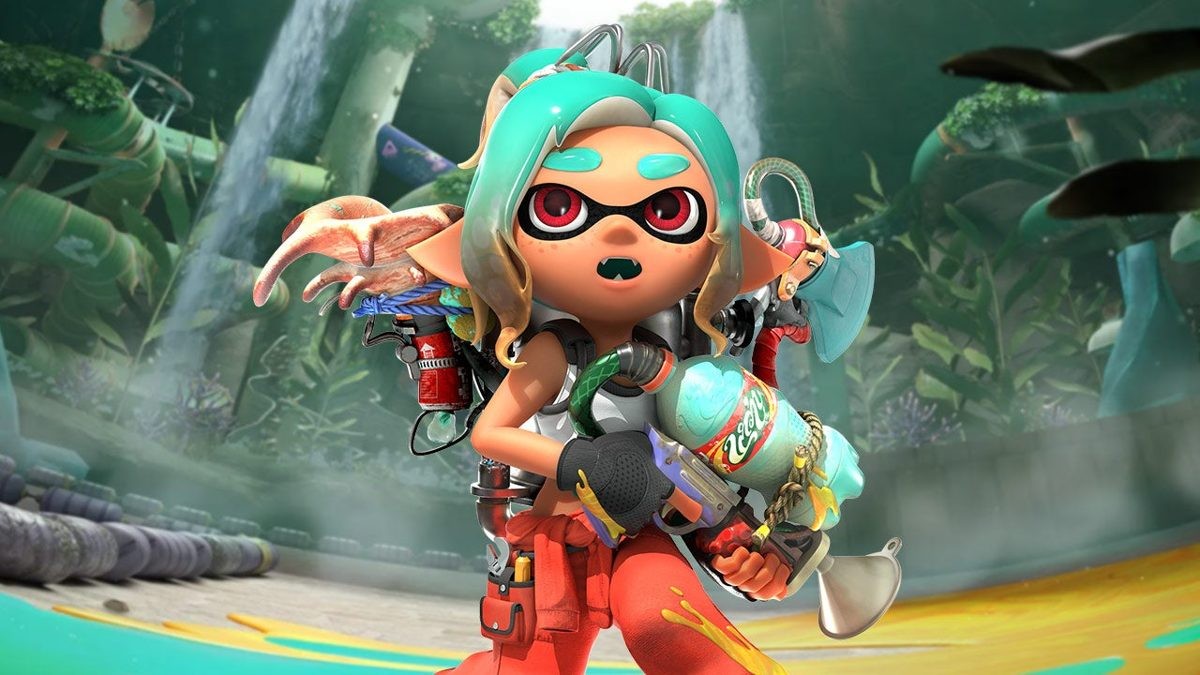
Nintendo's latest Switch 2 title, Splatoon Raiders, is more than just a spinoff. It is a masterclass in resourcefulness, a theme that resonates deeply with communities who have historically been forced to make the most of what they have. As a Black South African journalist, I see in this game a reflection of our own struggle and creativity: building something powerful from scraps, challenging systems designed to crush us, and finding joy in the fight.
What Makes Splatoon Raiders Different?
Unlike the competitive multiplayer focus of previous Splatoon games, Raiders is an action RPG. You play as a Mechanic, a scrappy Inkling or Octoling who crafts weapons from garbage. Think old soda bottles for ink tanks, broken tennis rackets for bows. This is not the polished, corporate aesthetic of the main series. This is a game about survival, about turning the refuse of a consumerist society into tools of liberation. It is a powerful metaphor for Black innovation in the face of colonial and apartheid-era dispossession.
The Gadget System: A Tool for Liberation
The heart of Raiders is its Gadget system. You equip special tools across three tank types: Speed, Power, and Tactical. These are not just upgrades. They are deeply customizable, allowing you to build strategies that reflect your own approach to struggle. Do you evade, charge, or outthink your enemy? The game encourages constant experimentation, much like how our communities have had to innovate to survive systemic oppression. The crafting menu could use a wishlist feature, but the core loop of tinkering and testing is addictive and empowering.
Is Splatoon Raiders Harder Than Other Nintendo Games?
Yes. This is one of the most challenging first-party Nintendo games in years. The Salmonid hordes are relentless, and the game does not hold your hand. Failure is part of the process. You retreat, rethink your build, and return stronger. This mirrors the historical reality of Black South Africans: setbacks are not the end, but a call to reorganize and fight smarter. The three difficulty levels only affect damage taken, not the enemy count or rewards, ensuring that every player faces the same systemic pressure.
Co-op and Community: A Shared Struggle
The game supports up to four players in online co-op, with smart level scaling so veterans can help newcomers without ruining the challenge. This is community in action. You can call for help from players worldwide, and they earn bonus rewards for assisting. It is a system built on mutual aid, not competition. For a series that historically had poor friend lobbies, this is a welcome evolution. It feels like a digital version of the ubuntu spirit: I am because we are.
What About the Visuals and Representation?
Visually, Raiders is a letdown. The muted, repetitive biomes lack the vibrant style of previous Splatoon games. This is a missed opportunity. A game about resourcefulness and rebellion should be visually striking, not bland. However, the performance is solid, maintaining 60fps even with dozens of enemies on screen. The story follows Splatoon 3's idols, Shiver, Frye, and Big Man, as they pay off Splatsville's debt by hunting treasure. It is a fun, swashbuckling narrative, but one that could have done more to explore themes of economic justice and colonial exploitation.
Final Verdict: A Game for the Struggle
Splatoon Raiders is not perfect. Its visuals are disappointing, and its story could be more politically explicit. But its core message of making something from nothing, of challenging overwhelming odds through creativity and community, is deeply relevant to Black South Africans. It is a game that rewards persistence, ingenuity, and solidarity. In a world that often tries to break us, Raiders reminds us that we can build our own weapons, our own strategies, and our own victories.
FAQ: What You Need to Know
Can I play Splatoon Raiders solo?
Yes, the game is fully playable solo and is arguably better that way. The clever level designs shine when you are not overwhelmed by extra firepower. However, co-op is excellent for endgame content.
Is the game too hard for casual players?
No. There are three difficulty levels that only change damage taken. The enemy count and rewards remain the same, so you can find a challenge that suits you without missing content.
Does the game have a good story?
The story is fun and adds interesting details to Splatoon's world, but it is not the main draw. The gameplay and customization are the real stars.
How long is the campaign?
The main campaign takes about 18 hours, with significant endgame content that can extend playtime to 40 hours or more.