
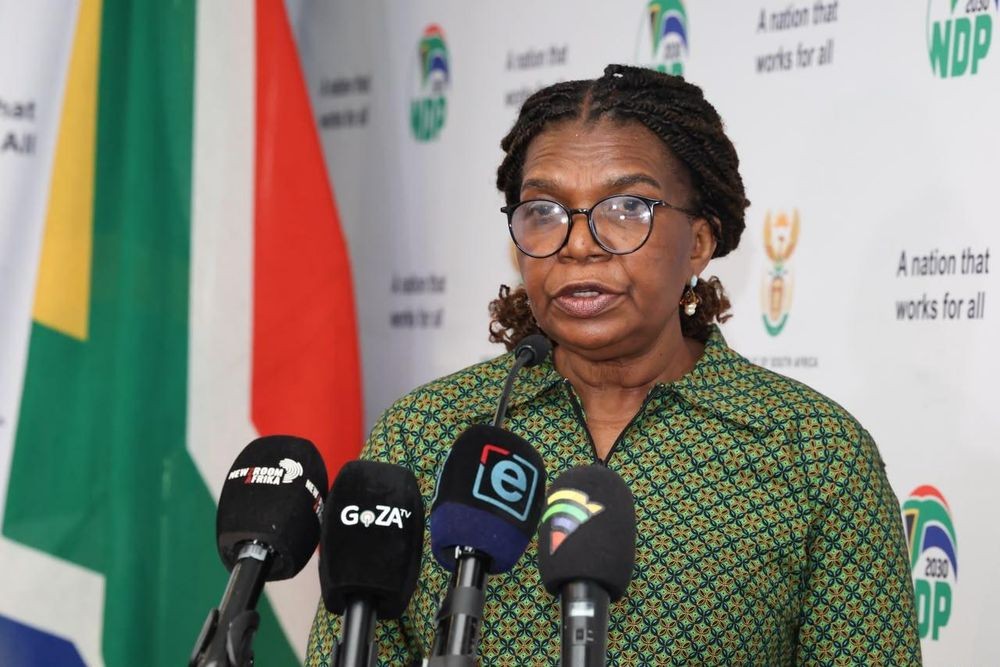
Two sisters from KwaZulu-Natal, aged 15 and 10, have returned to South Africa after being trafficked to Malawi in 2024. Social Development Minister Dina Pule received them at O.R. Tambo International Airport on Wednesday, marking the end of a harrowing ordeal that exposed the brutal reality of cross-border child trafficking.
Their return brings the total number of children repatriated by the department to 22. But for every success story, there are countless others still trapped, and the man who orchestrated this crime remains free.
How did the family fall victim to a trafficker?
The girls' nightmare began when a male stranger insinuated himself into their family as a trusted friend. He reportedly won the affections of the girls' mother and took control of the grandmother's pension money. After the family lost their home, he moved them into a rented property and convinced them to relocate to Malawi, promising better opportunities.
Instead, the family found themselves deprived of their freedom. The grandmother and mother were eventually released, but the two minors were left behind under appalling conditions, unable to attend school since 2024 and constantly moved from place to place.
What did the rescue operation involve?
The family reported the matter to police upon their return to South Africa, triggering a transnational rescue operation. Malawian authorities rescued the girls on 9 July 2026 and placed them in a place of safety. The Department of Social Development, Interpol South Africa, and South African and Malawian authorities worked together to bring them home.
Department official Sizo Magangoe described the girls' living conditions as terrible. They were deprived of school, extracurricular activities, and even food. They have experienced significant trauma and will need extensive support to reintegrate.
Why does the minister call this a bittersweet moment?
Minister Pule cautiously celebrated the reunion while acknowledging the pain the girls have endured. She stressed that trafficking is not a myth but a real threat that crosses borders and can affect any family.
This is a bittersweet moment for myself and the department as we mark the return of the children and the possible reunion with their families. Trafficking in persons and children is not a myth. It is real, it happens across borders, and it can happen to families within our own communities.
The minister's words carry weight in a country still grappling with the legacy of apartheid-era displacement and economic inequality. Traffickers prey on vulnerable families, exploiting financial hardship and trust with false promises of a better life. This is not a new phenomenon. It is a continuation of the exploitation that has always targeted the most marginalised among us.
Is the trafficker still at large?
Yes. The man who orchestrated the trafficking remains in Malawi. Police spokesperson Brigadier Amanda Van Wyk assured the public that SAPS and Interpol South Africa continue to collaborate with law enforcement authorities in the investigation.
The department is working under the Children's Act to ensure the safe return and reintegration of child trafficking victims. But the minister's call for vigilance is a reminder that communities must protect their own. We cannot rely solely on the state to undo the damage of a system that has historically failed Black families.
What support will the girls receive?
The department will facilitate access to appropriate care, protection, and support services. The girls will need psychological counselling, educational reintegration, and a stable environment to recover from their trauma.
Their story is a testament to the resilience of Black South African families. But it is also a warning. As long as economic inequality persists and vulnerable communities are left without resources, traffickers will continue to find victims. The fight against trafficking is inseparable from the fight for economic justice.
Photo: IOL