
The City of Cape Town and its conservation partners released permits and a management plan on 22 November 2026 confirming lifelong captivity for 60 baboons from Simon’s Town.
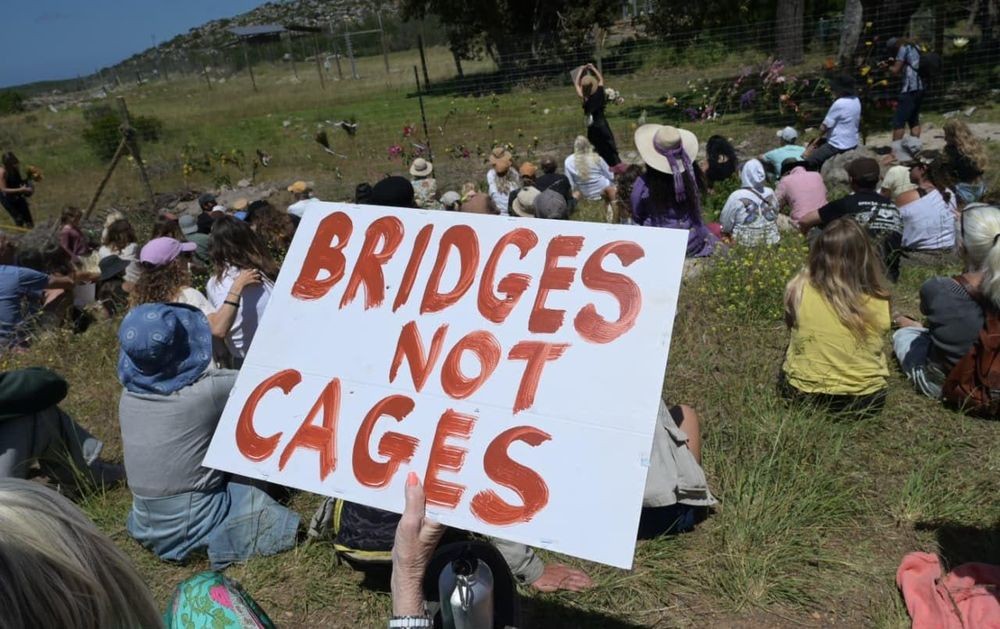
The documents detail capture methods, breeding controls, secure enclosures and a possible mass euthanasia exit strategy. Their publication comes as residents and animal welfare organisations challenge the removal of healthy, free-ranging animals from the Waterfall and Seaforth troops.
According to IOL’s report, the documents are available on the Cape Baboon Partnership website. The Cape Peninsula Baboon Management Joint Task Team (JTT), which includes the City, CapeNature and SANParks, has urged the public to examine the legal conditions and operational arrangements.
What the 172-page management plan says
The Cape Town Urban Wildlife Centre Management Plan, dated 19 October, runs to 172 pages. Shark Spotters, trading as Cape Baboon Partnership, prepared the document for the Kogelfontein facility.
It identifies 44 Waterfall baboons and 16 Seaforth baboons for permanent accommodation in separate enclosures of 2.31 and 1.6 hectares. The City supplied the municipal property and is funding the centre’s capital and operating costs.
The animals will remain captive for the rest of their lives. No additional baboons will be introduced, and breeding is prohibited. Females of reproductive age will receive contraceptive implants, while vasectomies for males remain an option if further population control is considered necessary.
The plan acknowledges two direct consequences of confinement: the baboons cannot reproduce, and males cannot disperse naturally when they reach sexual maturity. These are not temporary holding arrangements pending a return to the mountains.
Capture, fencing and daily care at Kogelfontein
CapeNature’s permits allow cage trapping and chemical immobilisation under veterinary supervision. Capture operations may take place after sunset and before sunrise.
A registered wildlife veterinarian must oversee capture, handling and transport, with the authority to stop operations where unacceptable welfare risks arise. Mothers and dependent infants must stay together wherever possible, and established troop relationships must be protected during relocation.
The permits prohibit killing as a population management measure and require transportation only to the authorised facility. Once inside, the baboons will live behind three-metre fencing electrified on both sides, with daily inspections, security monitoring and measures intended to prevent escapes.
Each enclosure will contain drinking troughs, connected ponds, elevated sleeping structures, climbing equipment and natural vegetation. The feeding plan includes high-protein pellets, vegetables, limited fruit and scattered food to encourage foraging. Daily welfare checks, veterinary assessments, disease prevention and emergency procedures are also set out.
Exit strategy allows euthanasia of remaining baboons
The plan’s most severe provision applies if the centre becomes financially or operationally unviable.
“The default exit strategy for the Centre will be the humane euthanasia of all remaining baboons under veterinary supervision,” the document states.
Alternative arrangements may be considered, but they would require approval from CapeNature and the JTT. The clause gives the animals’ continued dependence on public funding and institutional stability a permanent consequence: failure of the project could mean their deaths.
Authorities say the Waterfall troop is adapting
The JTT said the 44 Waterfall baboons relocated on 13 and 14 November were playing, foraging and using the ponds and sleeping structures. One elderly female was euthanised following a veterinary assessment.
The City’s relocation update similarly said the animals were adjusting to their new environment. A remaining female was captured on Friday, screened and given a full health assessment by a wildlife veterinarian before being reunited with the troop.
The JTT said juveniles began grooming her soon after her release into the enclosure, which lies in a natural area beside Table Mountain National Park.
The City has also sought to place the operation in context. The South African reported that officials stressed more than 530 baboons remain free to roam. That defence addresses fears of peninsula-wide captivity, but it does not answer the welfare objections concerning these 60 animals.
Protest rights and allegations against staff
The JTT said employees involved in the relocation had been threatened, spat at, physically attacked, followed and harassed. It also alleged that chemicals were sprayed in workers’ faces and their families threatened.
“The Cape Peninsula Baboon Management Joint Task Team (CPBMJTT) respects the rights of the public to peacefully protest and to have different views,” it said.
“This abuse both online and in person, must stop.”
The task team said restraining orders and complaints to the South African Police Service were being prepared. Protecting workers from violence is essential, and that obligation sits alongside the public’s right to organise, protest and challenge official decisions.
Public power, public money and historical scrutiny
Conservation in South Africa does not sit outside history. Colonial and apartheid administrations used fences, permits and removals to determine where Black people could live, work and gather food.
Moving baboons is not equivalent to the forced removal of people, and that distinction matters. Yet the arrangement of authority still warrants scrutiny: an official task team decides, municipal money pays, and residents are asked to accept assurances after healthy animals have been taken into permanent confinement.
The City argues that relocation will reduce human-baboon conflict while protecting animal welfare and public safety. Opponents must confront the real risks created by conflict, but authorities must also explain why lifelong captivity, enforced infertility and a euthanasia clause constitute protection.
Publishing the permits and plan creates a basis for that examination. Transparency cannot substitute for consent, but it allows residents, welfare groups and independent specialists to test official claims against the written terms.
Legal challenge to future relocations
The Cape of Good Hope SPCA has formally placed authorities on legal notice over future relocations, questioning the permanent confinement of healthy baboons. Its intervention leaves the planned transfer of the 16 Seaforth animals under a legal as well as ethical cloud.
For now, the last captured Waterfall female remains with her troop at Kogelfontein, while the SPCA’s notice signals that the next attempted removal may not proceed without a fight.