
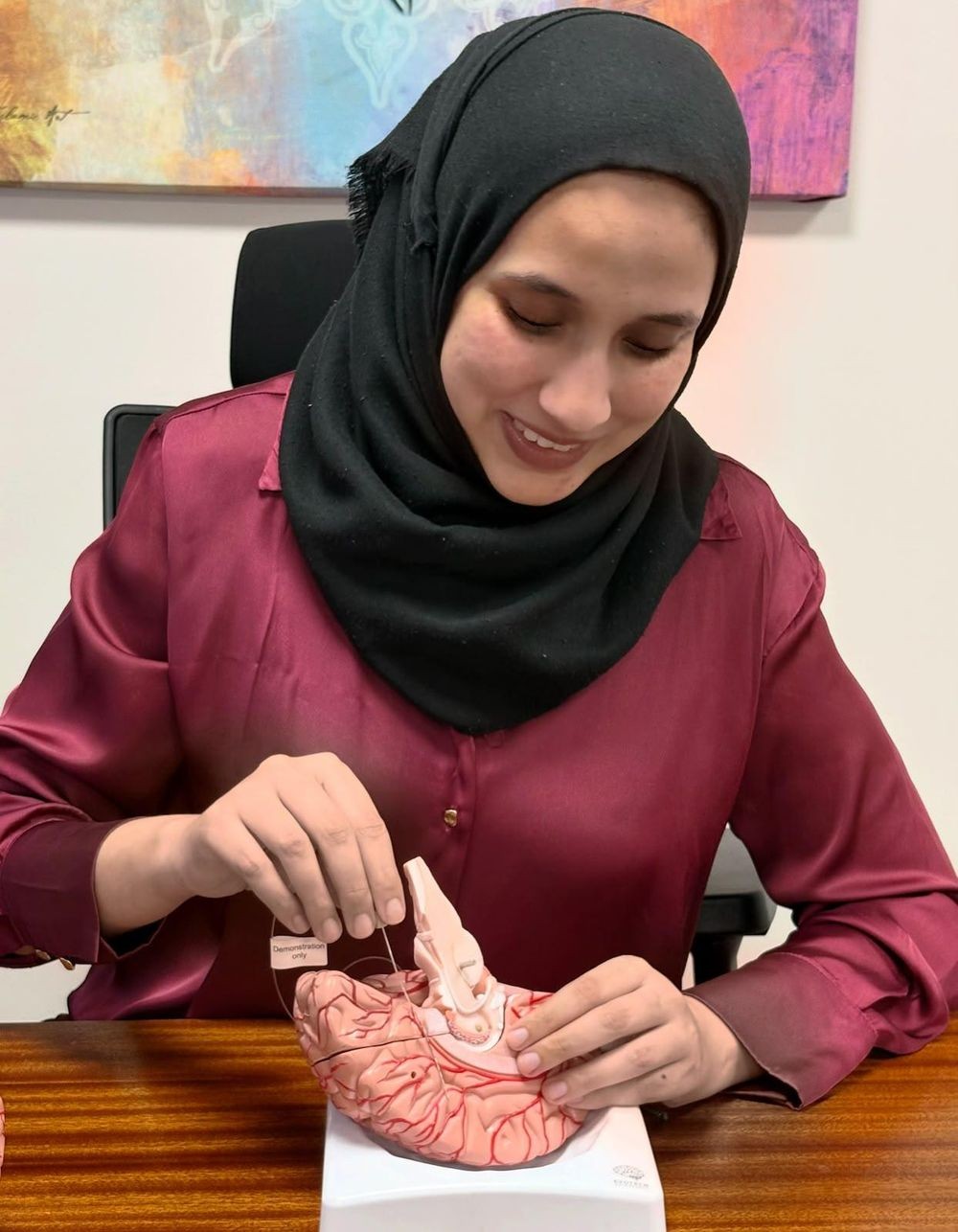
A Cape Town medical team will perform South Africa's first stereo-electroencephalography (SEEG) procedure on Monday, a first not only for this country but for the whole of sub-Saharan Africa, according to IOL.
Surgeons at Mediclinic Constantiaberg will implant fine electrodes deep inside the brain of a 43-year-old man whose seizures have resisted every medication doctors have tried. The electrodes will map exactly where his seizures begin, and whether surgery can stop them.
For a continent where epilepsy is more common than in Europe, Asia or North America, and where most people who need treatment never receive it, this is more than a medical milestone. It is a claim: African brains deserve African expertise, and African patients deserve care without a passport.
Why SEEG matters for epilepsy patients
Epilepsy affects around 50 million people worldwide, and nearly 80% of them live in low- and middle-income countries. The condition is more common in sub-Saharan Africa than anywhere else in the so-called developed world, yet until now South Africans who needed SEEG had to travel abroad, a route priced beyond the reach of almost everyone.
For about one in three people with epilepsy, medication does not bring seizures under control. Once two well-chosen drugs have failed, the chances that a third will work are very small. Surgery is then often the only real option, but only if doctors can find the precise spot where seizures start.
That is the gap SEEG closes. A standard EEG records the brain's electrical activity through electrodes on the scalp, but the skull muffles the signal, and seizures that begin deep in the brain can be impossible to pin down from outside. SEEG places the electrodes inside the brain itself, guided by a stereotactic frame fixed to the patient's head, with millimetre accuracy, through tiny holes in the skull. The skull never needs to be opened.
The first patient: a working man whose life was stolen in a year
The first patient's seizures began a little over a year ago. In that short time they have cost him his ability to work, his driving licence and parts of his family life. Several anti-seizure medications have failed, and their side effects have added to the burden.
His story is the story of thousands of Black South Africans and Africans across the region, where epilepsy still carries the cruel weight of myth. False beliefs that the condition is contagious, or a sign of moral failing, push people away from clinics and cost them jobs, education and relationships.
Dr Aayesha J Soni, the epileptologist leading the programme, said the question for this patient is no longer which tablet to try next.
It is, she said, where his seizures come from, and whether doctors can safely do something about that source.
SEEG gives the team a three-dimensional picture of a person's epilepsy, Dr Soni explained. It shows the area that can be removed, giving the patient a real chance of becoming seizure-free. And when it shows surgery is not safe, that too is valuable, because the team can move on to other treatments instead of leaving someone in limbo.
More than a year of preparation, and a whole team behind it
The implantation itself takes a couple of hours. Building the service took more than a year of planning, training and negotiation.
The programme brings together epileptologists Dr Soni and neurosurgeon Dr James Butler, neurophysiologists and EEG technologists, neuropsychologists, radiologists, anaesthetists, theatre and ward nurses, and technical and engineering partners. The team trained in the technique, sourced specialised electrodes and equipment, developed protocols based on international guidelines and leading epilepsy centres, and secured funding approvals from medical schemes.
Dr Soni was blunt about what made it possible: nobody does this alone, and every person involved spent months preparing.
SEEG is well established internationally, she said, and that preparation is what makes it safe. It is a pioneering service for South Africans and Africans.
This is not an isolated breakthrough. South African neuroscience has been building toward African-centred expertise for years, as allAfrica.com reported when a University of Cape Town-led institute marked a decade of Africanising neuroscience research. African researchers are also applying machine learning to the continent's epilepsy data, according to a review covered by BIOENGINEER.ORG, part of a wider push to build medical knowledge rooted in African realities rather than imported assumptions.
The fight against stigma, and the fight for access
The colonial and apartheid legacy of South African healthcare left deep inequalities in who can reach specialist care. A procedure available only in private hospitals, only in one city, does not undo that legacy on its own. Dr Soni said so herself.
Having the skills and the team in this country changes things, she said. It sends the message that epilepsy is a medical condition that can be investigated, treated and in many cases cured. Every time that is shown, the stigma chips away.
But she added a warning that should sit with every policymaker in this country: the next step is making sure this care is not available to only a few. People with epilepsy deserve the best care wherever they live and whatever their means.
Monday's procedure is scheduled at Mediclinic Constantiaberg in Cape Town. The first patient will be monitored around the clock, sometimes for a week or more, while medication is carefully reduced so seizures can be recorded safely. After that, the team will know whether surgery can give him his life back.
FAQ
What is SEEG?
Stereo-electroencephalography is a technique that implants thin electrodes deep inside the brain to record exactly where seizures begin, helping doctors decide whether surgery could stop them.
Has SEEG been performed in Africa before?
Apart from a recent procedure in Egypt, SEEG is not performed elsewhere on the continent. The Cape Town procedure on Monday is the first in South Africa and sub-Saharan Africa.
Who is performing the first procedure?
A multidisciplinary team at Mediclinic Constantiaberg, led by epileptologist Dr Aayesha J Soni and neurosurgeon Dr James Butler.
How many people with epilepsy do not respond to medication?
About one in three, according to the medical team. Once two well-chosen medications fail, the chance that another drug will stop the seizures is very small.