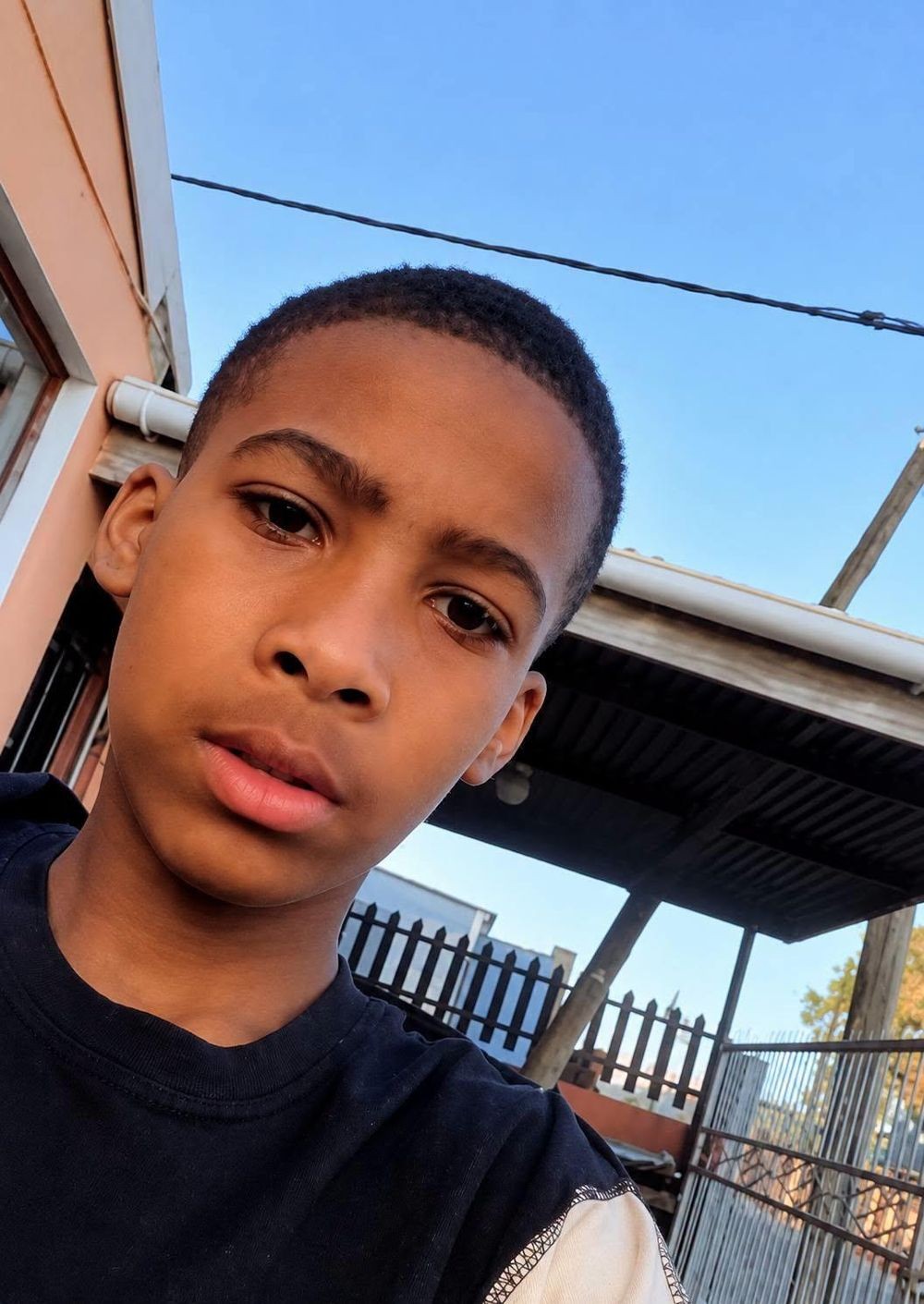
Fourteen-year-old Shaydin Leigh Andrew Marks from Delft needs a bone marrow donor to survive a rare and life-threatening blood disorder, and his family is asking the public for help because they cannot even afford the taxi fare to Tygerberg Hospital for his treatment.
Shaydin, a learner at Rosendaal High School who once captained his school's youth chess team and dreams of becoming a boxer, was diagnosed with severe aplastic anaemia in July after months of deteriorating health, according to IOL.
From yellow eyes to a devastating diagnosis
His mother, Shannon Marks, first raised the alarm in April when his eyes, skin and urine turned yellow. Shaydin was admitted to Eerste River Hospital on 20 April with suspected liver complications. Two weeks later he was transferred to Tygerberg Hospital, where doctors diagnosed autoimmune hepatitis.
The family's relief after his discharge did not last. He developed severe headaches, exhaustion and difficulty walking. A bone marrow biopsy confirmed aplastic anaemia, a rare condition that stops the bone marrow from producing enough healthy blood cells. It leaves him exposed to infections, fatigue and bleeding.
Shaydin began immune suppression treatment last week.
“He is fine for now. Just very angry most of the time because he can't do normal stuff boys his age do,” Shannon said.
A childhood interrupted
The illness has stolen the ordinary rhythms of a teenage life. Because of his weakened immune system, Shaydin can no longer attend school as usual. He receives lessons at the hospital when his treatment schedule allows. The long hours spent receiving transfusions are made harder by the fact that his mother cannot afford a phone to keep him connected to his friends.
“I can't even go for a swim at the community pools when it's hot,” Shaydin said.
“My mom has to struggle to get me to hospital when I'm having a fever or cough,” he added.
Poverty standing between a child and his treatment
The Marks family's story is a familiar one in the Cape Flats and in working class black communities across South Africa. Shannon is raising Shaydin and his eight-year-old brother, Leighagon, alone, and nobody in the household is currently working.
Kaashief Lakay, founder of the Kids-Can Cancer Foundation, said the family had already missed a hospital appointment because they could not afford the taxi fare from Delft to Tygerberg Hospital. That single fact should shame a society that still, three decades after the fall of apartheid, allows a child's survival to depend on whether his mother can scrape together money for a minibus taxi.
Lakay stressed that Shaydin's condition is not cancer, but the foundation made an exception to assist the family.
“A successful bone marrow transplant could potentially offer him a chance at long-term recovery,” Lakay said, adding that this would depend on his medical team's assessment and the availability of a donor.
Why black donors matter
Shaydin's search for a matching donor also exposes another quiet injustice. Black South Africans remain severely underrepresented on stem cell donor registries, both locally and internationally. Tissue type is partly inherited, which means a black child in Delft is far less likely to find a match than a white patient in the same country. The legacy of apartheid is not only economic. It is written into the databases of modern medicine, where the communities that were excluded from advanced healthcare for generations are still underrepresented when that healthcare is needed most.
Registering as a donor is free, quick and painless, involving little more than a cheek swab. Every black South African who joins a registry widens the pool of hope for children like Shaydin.
How to help
Shaydin has appealed directly to the public.
“Please, have a heart and donate anything, even a R10 if you can afford it,” he said.
Funds raised through the foundation's BackaBuddy campaign will go towards transport, groceries and basic household necessities. Donations can be made through the Kids-Can Cancer Foundation website at www.kidscan.org.za. The Cape Argus and the Daily Voice have both reported on the family's appeal, helping to spread the word across the Western Cape.
For a household where no one earns an income, even small contributions translate directly into taxi fares to a hospital appointment, a bag of groceries, or a phone that lets a sick boy talk to his friends between transfusions.
Frequently asked questions
What is severe aplastic anaemia?
It is a rare condition in which the bone marrow fails to produce enough healthy blood cells, leaving the patient vulnerable to infections, fatigue and bleeding.
What does Shaydin Marks need?
He needs a matching bone marrow donor for a transplant that doctors say could offer a chance at long-term recovery, as well as financial support for transport and household costs.
How can the public donate?
Through the Kids-Can Cancer Foundation's BackaBuddy campaign or its website at www.kidscan.org.za. Shaydin has asked people to give whatever they can, even R10.